Wadi El Rayan: Egypt’s Desert Waterfalls and Lakes Guide
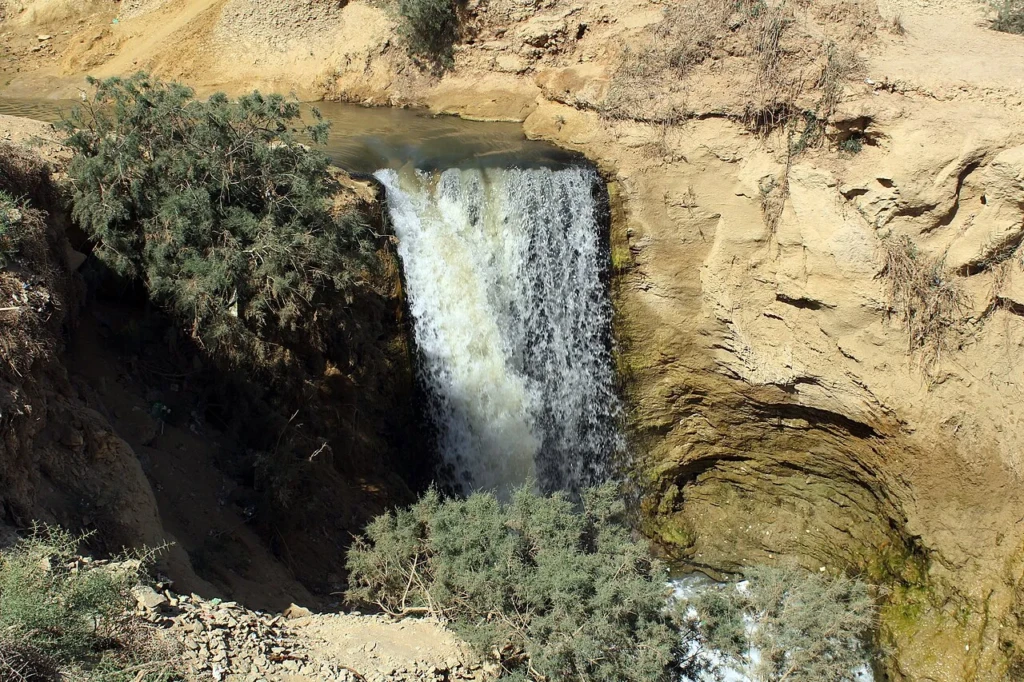
Wadi El Rayan is a desert nature reserve in Egypt’s Faiyum Governorate, best known for the small waterfalls that link its two man-made lakes. The protectorate lies about 120 km from Cairo, so most travelers see it on a full day trip, often paired with the whale fossils of Wadi El Hitan inside the same reserve. Expect lakes, dunes, springs and birdlife rather than a dramatic cascade.
This guide covers how the lakes came to exist, what you can see in a day, how the drive works, what we could and could not confirm about fees, and how to fit the reserve into a Cairo stay.
Wadi El Rayan at a Glance
| Fact | Details |
|---|---|
| Location | Faiyum Governorate, Western Desert, about 65 km southwest of Faiyum city |
| Type of site | Natural protectorate (lakes, waterfalls, springs, dunes) and Ramsar wetland |
| Managed by | Egyptian Environmental Affairs Agency, under the Ministry of Environment |
| Protected since | 1989, enlarged in 1992 to include Wadi El Hitan |
| How the lakes formed | Agricultural drainage water from Faiyum, filling the depression from 1973 |
| Size | About 1,759 square km in total |
| Distance from Cairo | About 120 km, according to the protectorate’s own plan |
| Time needed | Our planning suggestion: a full day from Cairo, or 3 to 4 hours inside the reserve |
What Is Wadi El Rayan?
Wadi El Rayan is a large hollow in the desert west of the Faiyum basin. For most of history it was dry. In the 1970s, Egyptian engineers sent surplus irrigation drainage from Faiyum into the depression. The aim was practical: to stop the water table rising in the farmland and in Lake Qarun to the north.
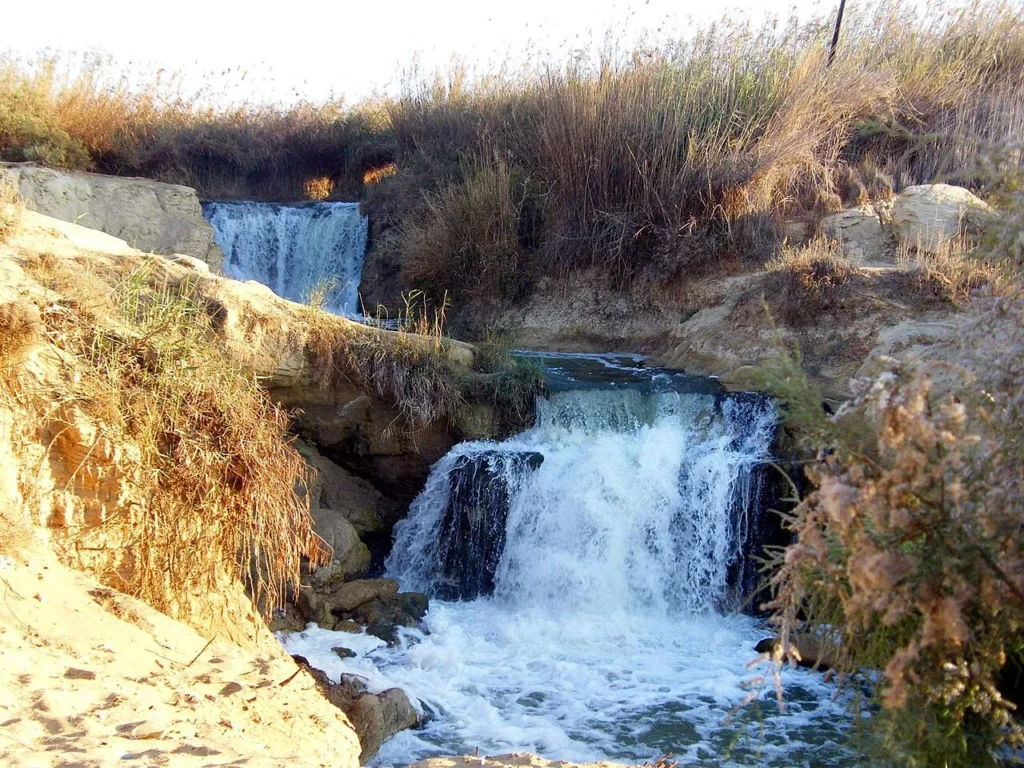
The result was two new lakes in the middle of the Sahara. According to the Environmental Affairs Agency, they began forming in 1973. The upper lake covers roughly 51 square km and the lower lake about 62 square km. Water flows from one to the other over a low rocky step, and that step is what visitors call the waterfalls.
The government declared the area a protectorate in 1989 by prime ministerial decree. In 1992 the boundaries grew to take in Wadi El Hitan, the Valley of the Whales. In 2012 the reserve was also listed as a wetland of international importance under the Ramsar Convention.
Why the waterfalls matter in Egypt
Egypt has almost no natural waterfalls, so these falls carry a special local status. The protectorate describes them as the only permanent falls in the country. Be realistic, though. They are short, wide rapids over a ledge, not a tall drop. Their appeal is the contrast of moving water, reeds and golden sand in a hyper-arid landscape.
An old desert crossroads
Long before the lakes, the wadi was a route between the Nile Valley and the oases of the Western Desert. The protectorate’s records note remains of settlements from pharaonic and Greco-Roman times. Coptic texts also mention a salt lake here, linked to the monk Samuel the Confessor. A small monastic community still lives in the core zone today.
What to See at Wadi El Rayan, in Visiting Order
Most day trips follow the same rough order, because the main road runs past each area in turn. Your driver and guide will adjust it for light, heat and road conditions.
1. The main gate and the upper lake
You enter through the protectorate gate, where the entrance fee is paid. The road then runs along the upper lake. Reed beds line much of the shore, and they are breeding grounds for fish and water birds. Stop briefly for photos if the light is good.
2. The waterfalls area
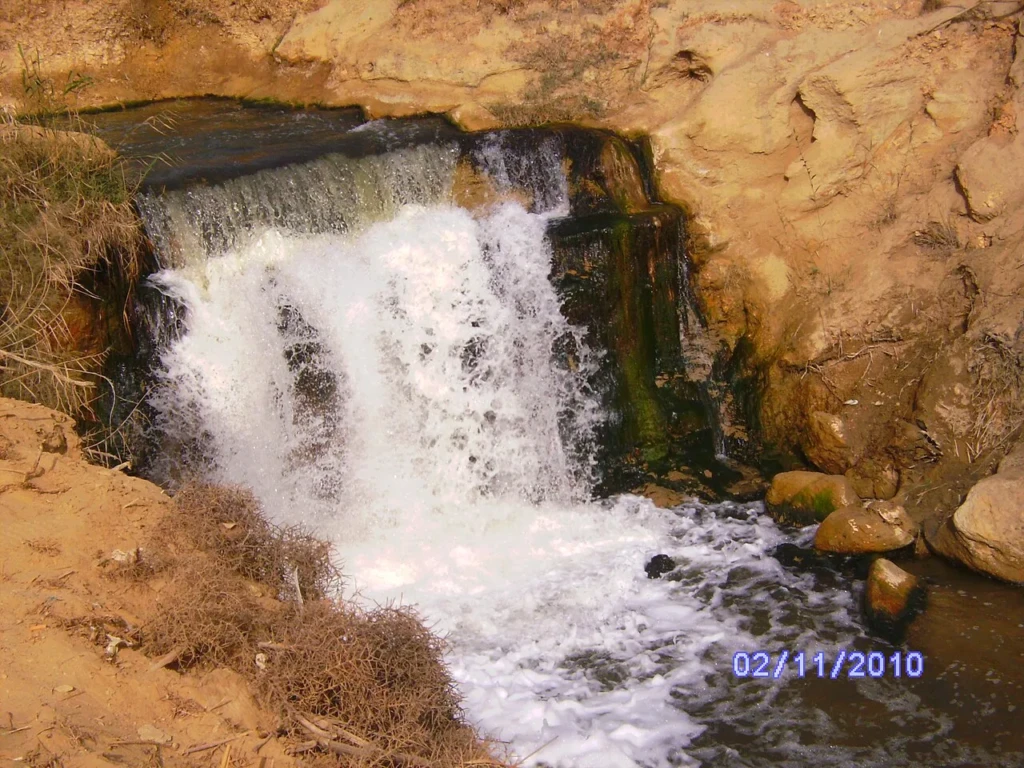
The main visitor area sits about 15 minutes’ drive south of the gate, according to the reserve’s guidance. This is where the water spills from the upper lake toward the lower one. There are simple cafeterias here, and boat trips and fishing have been offered locally. Weekends can be busy with Egyptian families, since the site is a favorite escape from Cairo.
3. The sand dunes
Dune fields run the length of the reserve. Some stretch for kilometers and rise to around 30 meters. Good dunes lie beside the main visitor area and at the southern end of the lower lake. In winter, a short walk on the sand is pleasant. In summer, keep it brief.
4. Gabal Madwara viewpoint
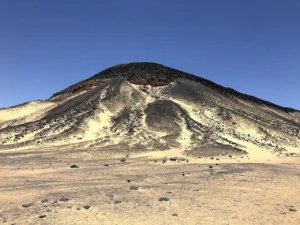
Gabal Madwara, also written Modawara, is a hill near the lower lake. The protectorate places it about 18 km from the main gate. From the top you see dark blue water against yellow sand, framed by dunes and limestone cliffs. It is one of the best panoramas in the reserve, especially late in the afternoon.
5. The springs area
South of the lower lake, a small group of brackish and sulfur springs supports palms, salt marsh and the richest desert wildlife in the protectorate. Much of this zone is closed to protect fragile habitats. A viewpoint overlooks the depression, and a short trail leads down to the first spring. Expect to see tracks more often than animals, since most mammals here are active at night.
Wadi El Hitan: The Valley of the Whales
Many travelers combine the waterfalls with Wadi El Hitan, which sits inside the same protectorate. UNESCO listed it as a World Heritage Site in 2005. It was Egypt’s first natural site on the list.
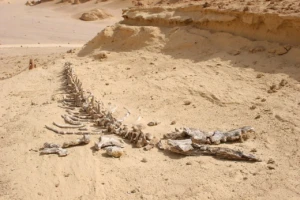
The valley holds fossil skeletons of early whales, around 40 million years old. They show a key step in evolution: animals adapting from life on land to life in the sea. Some skeletons still have small hind legs, feet and toes. The largest specimens reach about 21 meters. Scientists first recorded the fossils in the winter of 1902 to 1903.
The protectorate estimates the valley is about 45 minutes’ drive from the main gate. The final approach crosses desert tracks, so a suitable vehicle and a driver who knows the route are essential. Your guide will confirm current access and timing before the day.
Wildlife and Birdwatching
The creation of the lakes brought new plants, birds and insects into the depression. The protectorate lists 174 bird species. BirdLife International has named the area an Important Bird Area because of its wintering water birds.
Winter is the best season for birders, when migrants crowd the lakes. On land, the reserve shelters one of the few remaining populations of the endangered slender-horned gazelle. Dorcas gazelle, fennec fox and Rüppell’s fox also live here, though all are scarce and shy. Bring binoculars if you have them.
How to Get to Wadi El Rayan and How Long It Takes
The protectorate is in the Faiyum region, southwest of Cairo. The Environmental Affairs Agency puts it about 120 km from the capital. Its published route takes the Fayoum desert road, then the Lake Qarun road to the village of Tunis, then south to the main gate. Blue tourism signs mark the way.
There is no practical public transport into the reserve, and distances inside it are long. A private car with a driver is the realistic choice. Drive times depend on where you stay in Cairo or Giza and on traffic leaving the city, so your driver or guide will confirm timing the evening before. For desert tracks such as the Wadi El Hitan approach, ask for a four-wheel-drive vehicle.
Opening Hours and Entrance Fees
Wadi El Rayan is a nature protectorate, not an antiquities site. It is not listed on the official Ministry of Tourism and Antiquities ticket list, and we could not find a current official fee or opening-hours notice from the Environmental Affairs Agency. A gate fee is charged on entry, and Wadi El Hitan has historically been covered by the reserve ticket. Carry Egyptian pounds in cash and confirm the current rate at the gate.
Plan to be inside the reserve in daylight. Desert tracks are hard to follow after dark, and the best views come in the early morning and late afternoon.
Best Time to Visit Wadi El Rayan
The protectorate describes October to April as the most comfortable period, with daytime temperatures typically in the low to high 20s Celsius. That is also when migrant birds arrive. Summer days are very hot, and there is little shade at the dunes or at Wadi El Hitan.
For a broader view of the seasons across the country, see our month-by-month guide to the best time to visit Egypt.
Is Wadi El Rayan Safe to Visit?
The UK Foreign, Commonwealth and Development Office advises against all but essential travel to much of the Western Desert. The Faiyum Governorate, which contains Wadi El Rayan, is listed as an exception to that advice. Advice can change, so read the live FCDO and US State Department pages before you go and check that your insurance covers your plans.
Practical safety matters too. Carry plenty of water, sun protection and a charged phone. Do not drive off-track on your own. If you swim, stay close to shore and do not swim alone. Our wider article on whether it is safe to travel to Egypt right now covers the bigger picture.
Practical Tips for Your Day
- Start early. Leaving Cairo soon after breakfast gives you the best light at the lakes and avoids midday heat at the fossils.
- Wear closed shoes. Sand gets very hot, and the fossil trails are rough underfoot.
- Pack a light layer. Desert mornings and evenings in winter can feel cool.
- Bring snacks and water. Facilities exist at the waterfalls, but they are basic.
- Leave fossils and plants exactly where they are. The protectorate was created to stop collectors removing them.
- Dress modestly when you pass through Faiyum villages. Our Egypt packing and dress guide has more detail.
Combining Wadi El Rayan With Faiyum and Cairo
The wider Faiyum region has several ancient sites listed on the official Ministry of Tourism and Antiquities ticket list. Qasr Qarun, a temple where the sun lines up with the sanctuary each year on December 21, is open 8:00 AM to 5:00 PM, with a foreign adult ticket of EGP 150. Karanis, one of the best-preserved Roman-era towns of the Faiyum, has the same hours and price. Medinet Madi is listed at EGP 120. These figures come from the official Ministry list as consulted in October 2026; check before you go.
Back in Cairo, most travelers build Faiyum around the classic sights. Our Cairo travel guide helps you plan the rest of your stay. If you enjoy quieter sites, Faiyum pairs well with the Bent and Red Pyramids at Dahshur and the Saqqara necropolis on another day.
Delta Tours Egypt’s Cairo programs that suit a Faiyum add-on include:
- Taste of Egypt, 4 Days in Cairo, from $535 per person.
- Pyramids Day Tour, from $55 per person.
- All Pyramids in Giza, from $105 per person.
- Grand Egyptian Museum and Pyramids, from $95 per person.
Visit With Delta Tours Egypt
We do not currently sell a fixed Wadi El Rayan tour. We can arrange a private day trip to the reserve on request, with a driver and, if you wish, an English-speaking guide, as an extra day in your Cairo program. Tell us whether you want the waterfalls only or the full loop with Wadi El Hitan, and we will plan the timing around your hotel. Start with our tailor-made Egypt tours page, or browse other private Cairo day tours.
Frequently Asked Questions
Are the Wadi El Rayan waterfalls natural?
Not entirely. The lakes were created from agricultural drainage water starting in 1973, and the falls form where water passes from the upper to the lower lake. The setting, dunes and springs around them are natural desert.
How big are the waterfalls?
They are modest: a short, broad drop over a rocky ledge. Their importance is local, because Egypt has almost no other permanent waterfalls. Go for the whole landscape rather than the height of the falls.
Can I visit Wadi El Rayan and Wadi El Hitan in one day?
Yes, many visitors do both in a long day from Cairo. Wadi El Hitan sits inside the same protectorate, but it is reached on desert tracks. Use a four-wheel-drive vehicle and start early.
Can you swim at Wadi El Rayan?
Many local visitors swim and relax by the lakes near the main visitor area. We could not confirm any lifeguard service, so swim only if you are confident and stay close to shore.
What is the entrance fee for Wadi El Rayan?
A fee is collected at the protectorate gate, but we could not verify a current official figure. It is set by the Environmental Affairs Agency, not the antiquities ministry. Bring cash in Egyptian pounds.
Is Wadi El Rayan worth it on a short trip?
If you have four days or fewer, the pyramids, museums and Islamic Cairo usually come first. With a fifth day, or on a second visit, Wadi El Rayan gives a calm desert contrast to the city. It suits nature lovers, photographers and families.
A day in the Faiyum desert is an easy way to see a very different side of Egypt without flying anywhere. If you would like it built into your itinerary, our team will shape it around your dates through our tailor-made tours service.
Featured image: Waterfalls of Wadi El Rayan, Fayoum. Photo: Ibrahim El-Mezayen / Wikimedia Commons, CC BY-SA 4.0