Crocodile Museum Kom Ombo: Sobek’s Mummies & Visitor Guide
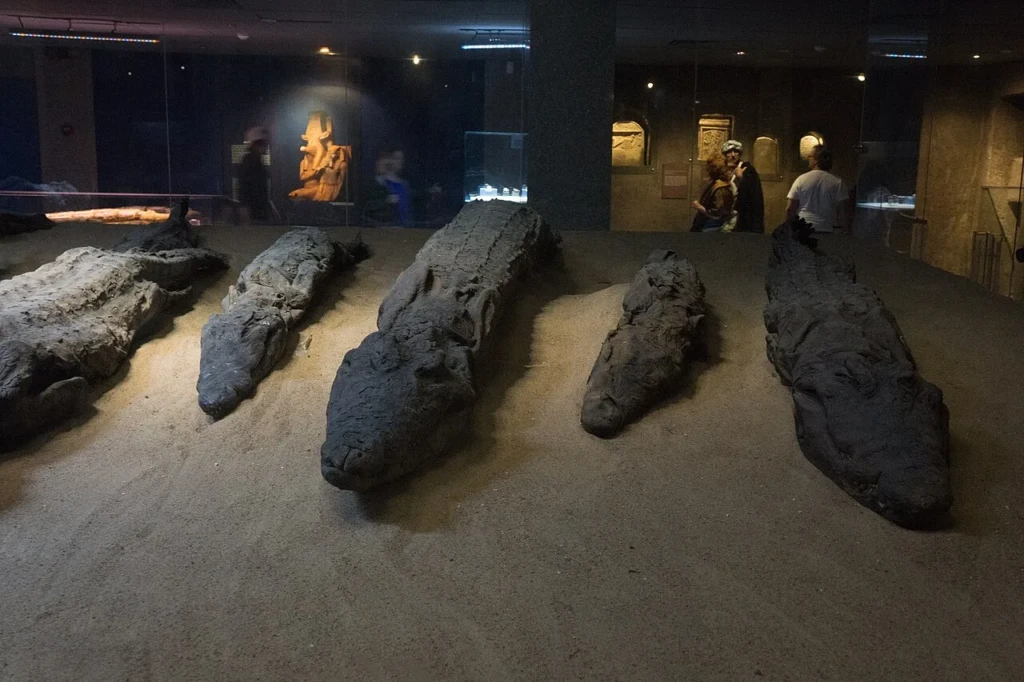
The Crocodile Museum at Kom Ombo is a small, modern museum a few steps from Kom Ombo Temple, devoted to Sobek, the crocodile god worshipped in the temple next door. It displays mummified Nile crocodiles, crocodile fetuses, gold and ivory teeth, and statues of Sobek. One official ticket covers both the temple and the museum, and we suggest allowing 30 to 45 minutes inside.
| Quick facts | Crocodile Museum, Kom Ombo |
|---|---|
| Location | Next to Kom Ombo Temple, on the east bank of the Nile, Aswan Governorate |
| Distance from Aswan | Kom Ombo town lies about 48 km (30 miles) north of the Aswan High Dam, per Britannica |
| Opened | 2012 |
| Dedicated to | Sobek, the crocodile-headed god of Kom Ombo |
| Opening hours | Daily, 7:00 am to 9:00 pm; ticket window closes at 8:00 pm |
| Foreigner ticket | EGP 450 adult, EGP 225 student, combined with Kom Ombo Temple |
| Time needed | 30 to 45 minutes for the museum, about 1.5 to 2 hours with the temple (our planning suggestion) |
Hours and prices are as listed on the official Ministry of Tourism and Antiquities site in October 2026; check before you go.
What Is the Crocodile Museum at Kom Ombo?
The museum is a single-purpose collection built around one animal and one god. It sits beside the Ptolemaic temple of Kom Ombo, which was shared by two deities: Sobek, the crocodile god, and Horus the Elder, the falcon god. Because the temple honored Sobek, real crocodiles were treated as his living images in this part of the valley. When they died, many were mummified and buried with care.
For decades those mummies were mostly out of public view. The Ministry of State for Antiquities opened the museum in early 2012, as part of a plan to build site museums at major archaeological sites. Ahram Online described it at the time as Egypt’s first museum devoted entirely to crocodiles. The official Ministry page states that it has highlighted Sobek since it opened in 2012.
The museum is useful even if mummies are not your main interest. Kom Ombo Temple shows you Sobek in carved relief. The museum shows you the actual animals the temple served, which makes the double temple much easier to understand.
Why Were Crocodiles Sacred at Kom Ombo?
Crocodiles were common in the Nile for most of ancient Egyptian history. They were feared for good reason, yet they were also linked to water, fertility and the yearly flood that fed the fields. Sobek gave that power a face: a man’s body with a crocodile’s head. Worshipping him was partly a way of asking a dangerous force to protect rather than harm.
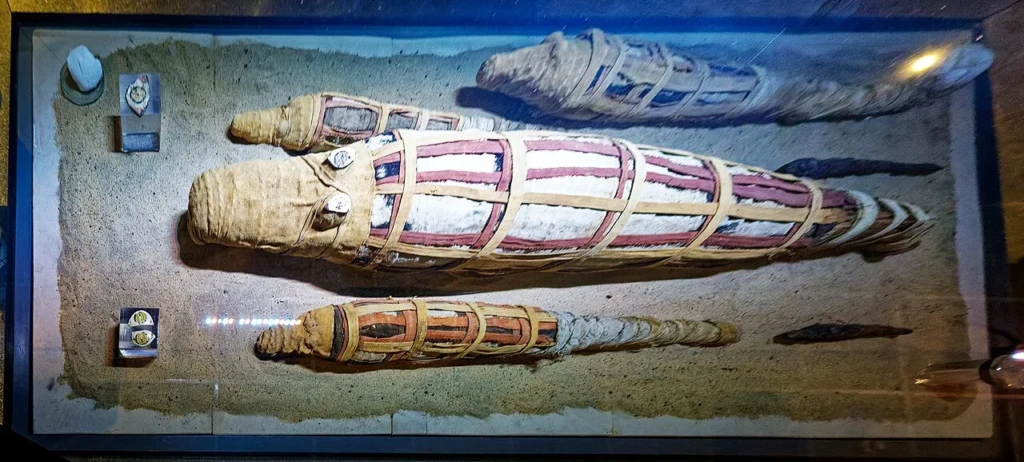
Kom Ombo was one of Sobek’s main cult centers in the south. The town prospered under the Ptolemies, when it served as the capital of its province, and its temple dates to the Ptolemaic and Roman periods. Wikipedia’s entry on Kom Ombo notes that mummies of the sacred animal have been found in catacombs near the site. The museum gathers that evidence in one place.
For the full story of the temple, its twin sanctuaries and its famous relief of medical instruments, see our Kom Ombo Temple guide. This page stays focused on the museum.
What to See Inside, in Visiting Order
The museum is compact. Start with the large crocodiles, then work through the smaller finds and statues, and finish with the burial model, which ties everything together.
The Main Hall of Mummified Crocodiles
The centerpiece is a large hall of mummified Nile crocodiles. The official Ministry description gives the longest at 4.30 meters (about 14 feet) and the smallest at 2 meters (about 6.5 feet). Seen together, they make it clear that these were full-grown animals, not small tokens.
Fetuses, Eggs and Small Finds
Smaller cases show crocodile fetuses, and Ahram Online’s opening report also listed eggs among the displays. These are a reminder that the cult covered the animal’s whole life cycle. Priests did not only bury large adults.
Gold and Ivory Teeth and Eyes
Some of the most striking objects are the artificial teeth and eyes made of gold and ivory. They were fitted to crocodiles after mummification. When the museum opened, the antiquities minister singled them out as the most significant items in the collection. They tell you how much value was placed on a sacred animal’s appearance in the afterlife.
Statues and Stelae of Sobek
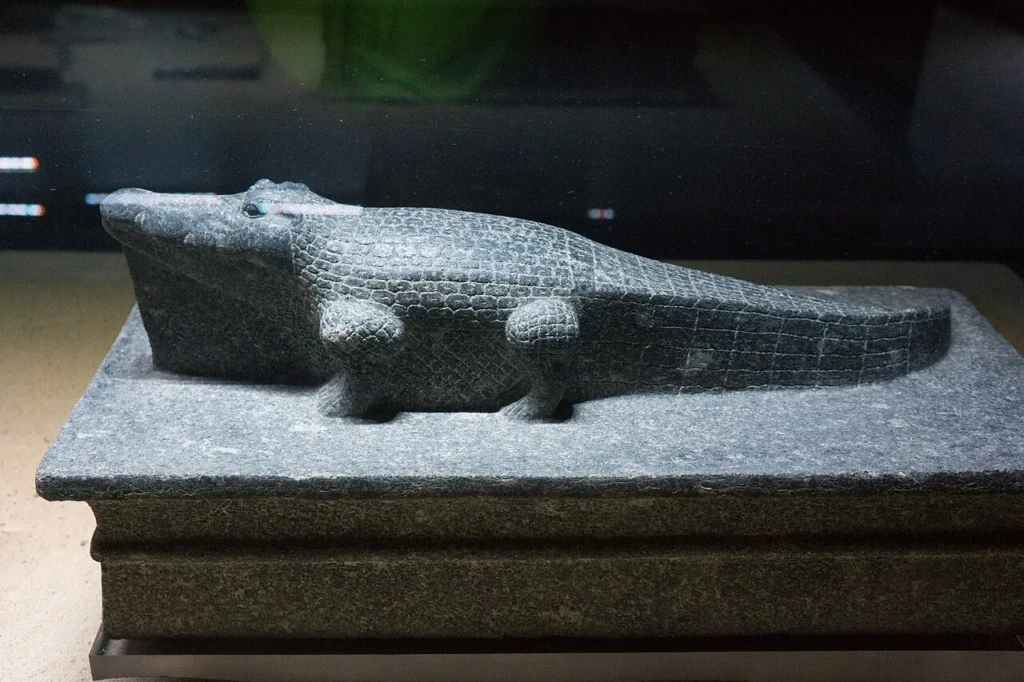
The collection includes statues of Sobek in different sizes, from small figures to larger pieces. Some show him with a human body and a crocodile head, the same form you will see carved on the temple walls. At the 2012 opening, two stelae and a Sobek statue were reported as loans from the Luxor Museum, so ask your guide which pieces are on display on the day.
The Shutb Cemetery Tomb Model
The collection also includes a tomb model based on finds from the Shutb cemetery. It shows how sacred crocodiles were buried and includes the pottery coffins that held the mummies. This is the best place to picture the original burial grounds, which visitors do not normally see.
How to Get There and How Long It Takes
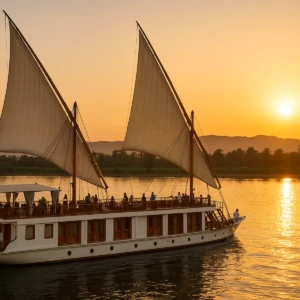
Most travelers reach the museum on a Nile cruise. Standard sailings between Luxor and Aswan stop at Kom Ombo, and the museum is a short walk from the temple, so it fits inside the same guided visit. Our 3 night Nile cruise from Aswan visits Kom Ombo on day two, and our 4 night Nile cruise from Luxor stops there on the way into Aswan.
You can also visit by road from Aswan or as part of a private drive between Luxor and Aswan. Kom Ombo sits beside the main valley highway on the east bank. Drive times depend on traffic, checkpoints and where your hotel is, so your driver or guide will confirm timing on the day.
Dahabiyas, the smaller sailing boats, also stop here. Our five-night dahabiya Nile cruise from Esna to Aswan lists Kom Ombo as its last stop before Aswan.
Opening Hours and Ticket Prices
As listed on the official Ministry of Tourism and Antiquities site in October 2026, the museum opens every day from 7:00 am to 9:00 pm, and the ticket window closes at 8:00 pm. The Ministry page also gives shorter hours during Ramadan. Check before you go, because hours can change at short notice.
| Ticket | Adult | Student |
|---|---|---|
| Foreigners (Kom Ombo Temple and Crocodile Museum) | EGP 450 | EGP 225 |
| Egyptians (Kom Ombo Temple and Crocodile Museum) | EGP 40 | EGP 20 |
The official listing describes this as an inclusive ticket for the temple and the museum, so you do not buy a second ticket at the museum door. Student rates normally require a valid student card. The Ministry’s free-entry list includes children under six. Details are on the official Crocodile Museum page.
On our Luxor to Aswan cruises, entrance fees for the guided visits are included in the price, so you do not need to queue at the ticket window.
Museum Rules and Practical Tips
The museum’s official policies are short and worth knowing before you arrive:
- Photography: private photography is allowed once you have a ticket. Flash, tripods and monopods are not allowed, and commercial filming needs a permit.
- Bags: large bags, backpacks and parcels bigger than 40 x 40 cm are not allowed in the galleries. There is a cloakroom.
- Food and drink: not allowed in the galleries, except small bottles of water. Smoking is banned throughout.
- Other items: umbrellas and sharp objects go in the cloakroom.
- Dress: the Ministry asks for appropriate attire, so shoulders and knees covered is a safe choice.
- Facilities: the official page lists a gift shop, a café and toilets.
A few practical suggestions from our side. Visit the temple first, then the museum; Sobek’s reliefs make more sense once you have seen the animals. Keep your ticket handy, since it covers both buildings.
Best Time to Visit
The late closing time is the museum’s biggest advantage. With official hours running to 9:00 pm, you can still see both the temple and the museum if your cruise or drive reaches Kom Ombo late in the day.
From October to April, daytime temperatures in Upper Egypt are easier for sightseeing. In summer, plan the open-air temple for early morning or evening and keep the museum for the hottest part of your visit. Our month-by-month guide to the best time to visit Egypt covers the weather in detail.
How to Combine the Museum With Nearby Sites
The museum belongs to a chain of temples along the river between Luxor and Aswan. These are the easiest pairings:
- Kom Ombo Temple: on the same site and the same ticket. Read our Kom Ombo Temple guide before you go.
- Edfu Temple: the best-preserved temple of Horus, and the usual stop before or after Kom Ombo on a cruise. See our Edfu Temple guide.
- Philae Temple: the island temple of Isis near Aswan, often visited on the same cruise. Our Philae Temple guide explains the boat ride.
- Aswan: for Nubian villages, felucca rides and the Abu Simbel trip, start with our Aswan travel guide.
For a day-by-day picture of how Kom Ombo fits into a sailing, our Luxor to Aswan Nile cruise guide walks through both the 3 and 4 night itineraries.
Visit With Delta Tours Egypt
Our Luxor to Aswan sailings stop at Kom Ombo with a private Egyptologist guide, and the temple ticket also opens the museum door. A few options to compare:
- Nile Capital Nile Cruise: 04 Days / 05 Days between Aswan and Luxor, from $790 per person.
- Steigenberger Legacy Nile Cruise: 05 Days / 04 Days between Aswan and Luxor, from $910 per person.
- Movenpick MS Sun Ray Nile Cruise: 04 Days / 05 Days between Aswan and Luxor, from $976 per person.
- Nour El Nil Dahabiya Nile Cruise: 06 Days / 05 Nights from Esna to Aswan, from $3,500 per person.
If you would rather see more ships side by side, our Nile cruises page lists them by category and price.
Frequently Asked Questions
Is the Crocodile Museum included in the Kom Ombo Temple ticket?
Yes. The official Ministry listing in October 2026 describes one inclusive ticket for Kom Ombo Temple and the Crocodile Museum. Foreign adults pay EGP 450 and foreign students EGP 225.
How long do you need at the Crocodile Museum?
We suggest 30 to 45 minutes inside. Allow about 1.5 to 2 hours if you are also touring Kom Ombo Temple with a guide.
Can you take photos inside the Crocodile Museum?
Yes, private photography is allowed once you have paid for your ticket. Flash, tripods and monopods are not permitted, and commercial filming needs official permission.
Is the museum open in the evening?
Yes. The official hours run daily from 7:00 am to 9:00 pm, with the last tickets sold at 8:00 pm. That makes it easy to visit when a cruise reaches Kom Ombo late in the day.
Is the Crocodile Museum suitable for children?
Yes, for most families. The visit is short and the crocodiles hold children’s attention. The official rules say children must be accompanied by an adult.
Do Nile cruises stop at the Crocodile Museum?
Standard Luxor to Aswan cruises stop at Kom Ombo, and the museum sits beside the temple. Your guide will usually include it in the same visit.
Kom Ombo is one of the easiest places on the Nile to understand how ancient Egyptians lived alongside a dangerous animal and turned it into a god. If you would like it on your route, browse our Nile river cruises or tell us your dates and we will suggest the right sailing.
Featured image: Mummified crocodiles, Crocodile Museum, Kom Ombo. Photo: Fanny Schertzer / Wikimedia Commons, CC BY-SA 4.0