Coptic Museum Cairo Guide: What to See, Hours & Tickets
The Coptic Museum in Cairo holds the world’s largest collection of Egyptian Christian art, with about 16,000 objects in two wings beside the old churches of Mar Girgis. Plan around two hours for the stone carvings, textiles, icons and early manuscripts. Foreign adults pay EGP 280, and the museum opens daily from 9:00 AM to 5:00 PM.
This guide covers the museum building and its collection only. It explains what each section holds, the order that makes sense on foot, and the practical rules worth knowing before you arrive. For the city as a whole, our Cairo travel guide is the better starting point.
Coptic Museum Quick Facts
| Item | Details |
|---|---|
| Location | 3 Mar Girgis Street, Old Cairo, near Mar Girgis metro station |
| Founded | Work began in 1908; officially opened in 1910 |
| Founder | Marcus Simaika Pasha, on land belonging to the Coptic Church |
| Collection | About 16,000 artifacts, the largest Coptic collection in the world |
| Layout | Two wings (1910 and 1947) with 27 halls over two floors |
| Hours | Daily, 9:00 AM to 5:00 PM; ticket window closes at 4:00 PM |
| Foreigner ticket | Adult EGP 280, student EGP 140 |
| Time needed | Our planning suggestion: 1.5 to 2 hours |
Hours and prices above are as listed on the official Ministry of Tourism and Antiquities site in October 2026; check before you go.
What Is the Coptic Museum and Why Does It Matter?
“Coptic” describes Egypt’s Christians and the culture they built after the Roman period. Their art did not appear from nothing. It grew out of pharaonic, Greek, Roman and Byzantine traditions, then developed a character of its own. The museum is the one place where you can follow that whole story in a single building.
Most visitors to Egypt spend their time with pharaohs. Yet the centuries between the last temples and the Arab conquest shaped modern Egypt just as much. This collection fills that gap. It shows how Egyptians carved, wove, painted and wrote as Christianity became the country’s main faith.
How Marcus Simaika built it
The museum exists because of one determined collector. Marcus Simaika Pasha, a prominent Coptic figure, began the project in 1908. He bought antiquities and saved architectural pieces from old churches that were being renovated. Those carved ceilings, marble columns, mosaics and wooden screens became both the collection and the fabric of the building itself.
According to the ministry, the museum stayed the property of the Coptic Patriarchate until 1931. It was then annexed to the state to give the collection better protection. Wikipedia adds that the Christian antiquities held at the Egyptian Museum moved here in 1939, which enlarged the holdings considerably.
Why the period matters
The museum’s own texts frame the Coptic era as running from the reign of Emperor Diocletian in 284 AD to the Arab conquest in 641 AD. Diocletian’s rule brought harsh persecution of Egyptian Christians. The Copts later chose the year he took the throne as the start of their calendar, known as the Calendar of the Martyrs.
The Building: Two Wings and 27 Halls
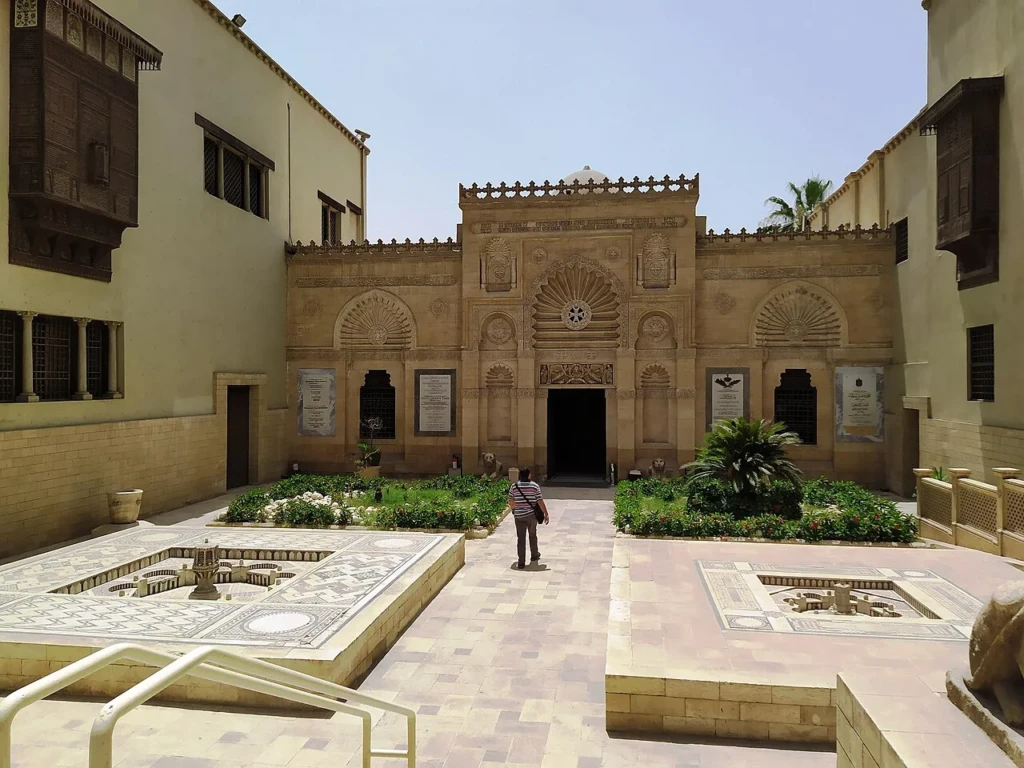
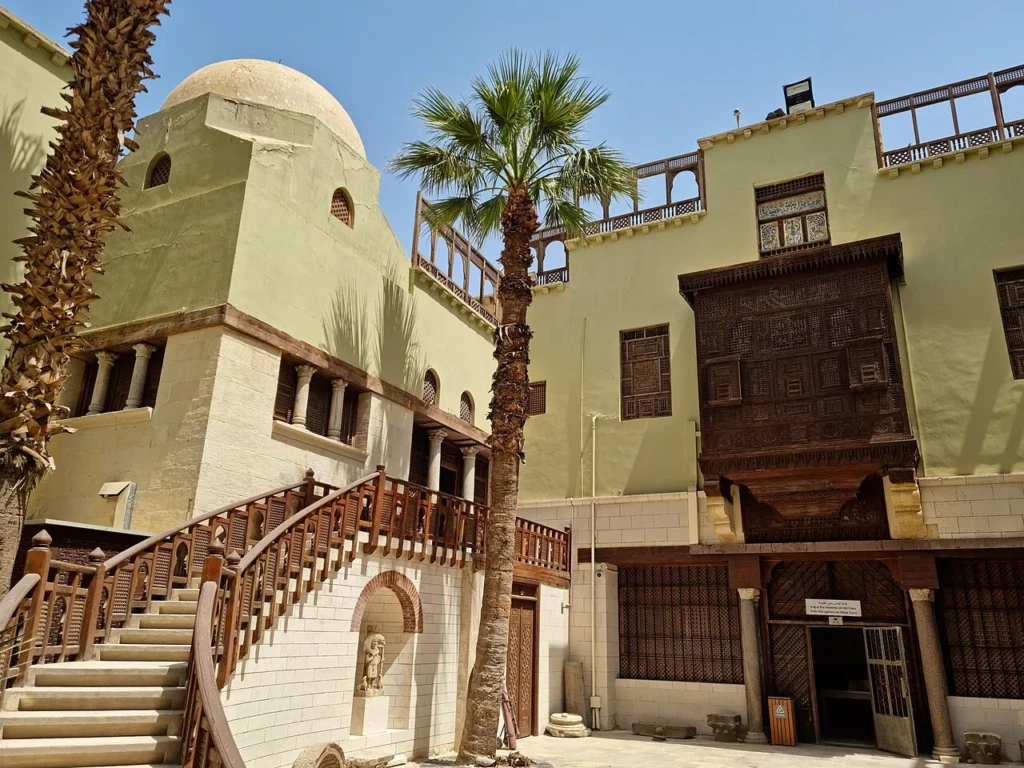
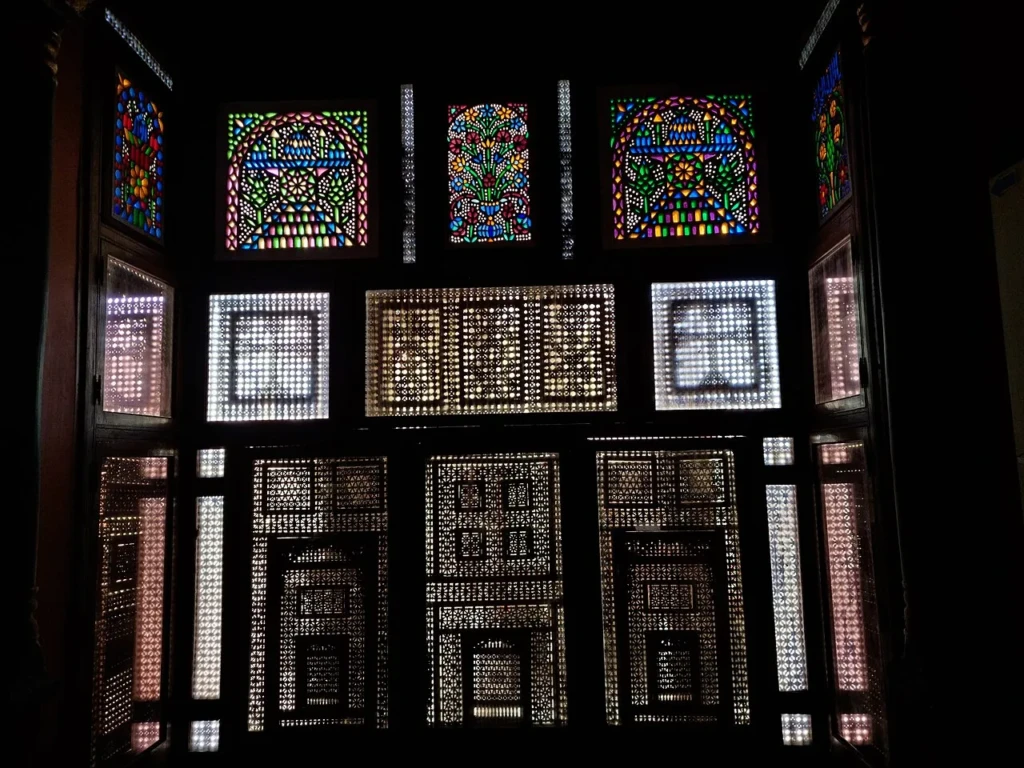
Before you look at a single display case, look at the building. The old wing, finished in 1910, reuses wooden ceilings, mashrabiya screens, marble columns and mosaics taken from historic houses and palaces. Wikipedia notes that the facade was modeled on the 12th-century Al-Aqmar Mosque in Fatimid Cairo.
The new wing opened in 1947 and follows the design of the old one, so the two halves feel like one place. Together they hold 26 numbered halls plus a separate Hall of Old Cairo Churches. That last room displays pieces removed from the churches in the surrounding quarter.
Gardens and courtyards sit between the wings. They make a good place to pause halfway through, especially on a warm afternoon.
What to See, in Visiting Order
The ministry describes the visit as starting with the Masterpieces section. From there, a sensible route moves through stone, textiles and manuscripts before ending with icons and woodwork. Halls may be rearranged, so treat this as a guide rather than a fixed map.
1. The Masterpieces section
This opening gallery is a summary of the whole collection. It gathers objects that show what makes Coptic art distinct. If you only have 30 minutes, spend them here.
The museum highlights several pieces worth finding:
- A carved lintel showing Christ’s entry into Jerusalem.
- An icon of the Holy Family’s flight into Egypt, a story with deep meaning for Egyptian Christians.
- Three large monastery keys, a reminder of how isolated and guarded these communities were.
- A decorated niche showing the Virgin Mary.
- An icon of Saint Antony and Saint Paul, the desert hermits linked to Egypt’s early monastic movement.
2. Jeremiah’s Pulpit from Saqqara
One of the collection’s best-known objects is a stone ambon, or pulpit, known as Jeremiah’s Pulpit. It came from the Monastery of Saint Jeremiah at Saqqara. Many travelers visit Saqqara for its pyramids and never realize a Christian monastery once stood there. Seeing this piece links two parts of your trip. Our Saqqara visitor guide covers the pharaonic side of that site.
3. Sculptures from Ihnasya
This gallery surprises many visitors. It holds stone sculptures from the 3rd to 5th centuries AD, found at Ihnasya al-Medina in Middle Egypt. They show Greek gods such as Aphrodite, Dionysus and Daphne, and scenes from Greek myths like Leda and the Swan and Europa and the Bull.
Why are pagan myths in a Christian museum? The ministry explains that Greek stories remained part of Egyptian art well into the Byzantine era. Some of these subjects may have been read again through Christian symbolism. The room shows a culture in transition rather than a clean break.
4. Coptic textiles
Coptic weaving, known in Arabic as al-Qabati, is one of the collection’s strengths. These fabrics were made on hand looms for shirts, curtains, pillows, covers and burial shrouds. Look closely at the borders and roundels. The patterns tell you about the people who wore them as much as any written record.
Textiles are fragile and light-sensitive, so these rooms may be dim. Give your eyes a minute to adjust.
5. Manuscripts and the Psalms
The manuscript section is the scholarly heart of the museum. The ministry names a 4th-century Book of Psalms in Coptic as the oldest complete copy of its kind, displayed in Hall 17. Even if you cannot read the script, the age of the pages is worth a moment.
The museum is also custodian of the Nag Hammadi codices, discovered in 1945. These papyrus books include Gnostic writings and shed light on 4th-century life in Egypt. Wikipedia notes they are held in a library open only to specialist researchers, so do not expect to see the full set on public display.
6. Icons, woodwork and metalwork
The later halls cover painted icons, carved wooden panels and metal objects. Wikipedia describes the collection as grouped by material: stone, wood, metal, textiles and manuscripts.
7. The Hall of Old Cairo Churches
Finish with the room dedicated to objects from the churches outside the museum walls. It makes a natural bridge to the rest of the quarter. After seeing these pieces in the museum, the churches themselves make more sense.
Opening Hours and Ticket Prices
As listed on the official Ministry of Tourism and Antiquities page for the Coptic Museum in October 2026, the museum opens every day from 9:00 AM to 5:00 PM. The ticket window closes at 4:00 PM. Check before you go, as hours and prices can change.
| Ticket | Foreign visitors |
|---|---|
| Adult | EGP 280 |
| Student | EGP 140 |
| Children under 6 | Included in the ministry’s free-entry list |
The museum’s own visitor page shows older, lower prices. Rely on the main ministry listing above, which carries the current figures.
Museum Rules Worth Knowing
The Coptic Museum’s official visitor page sets out a long list of rules. These are the ones that affect most travelers:
- Bags: Luggage or parcels larger than 40 x 40 cm go to the cloakroom. Bags may be searched.
- Umbrellas and sharp items: Leave them in the cloakroom.
- Photography: Personal photography is permitted once you have paid the relevant fees. Flash, tripods and monopods are not allowed.
- Video: Filming in the galleries needs the appropriate ticket fee.
- Food and drink: Not allowed in the galleries, except small water bottles.
- Children: Must stay with an adult at all times.
- Dress: The museum asks for appropriate attire.
The surrounding quarter includes working churches, so modest clothing that covers shoulders and knees is sensible for the whole day. Our guide to what to pack and wear in Egypt has more detail.
How to Get to the Coptic Museum
The museum sits in Old Cairo, south of downtown, close to the Mar Girgis station on the Cairo Metro. The ministry lists that station as the nearest public transport stop.
Most international travelers arrive by private car or taxi from their hotel. Drive times vary a great deal with Cairo traffic and the hour of day. Your driver or guide will confirm timing on the day rather than you relying on a fixed estimate.
Best Time to Visit
Arrive soon after 9:00 AM if you can. The galleries are calmer, and you will have time before the 4:00 PM ticket cutoff to add nearby churches afterward. Mornings also keep you out of the midday heat between sites in the warmer months.
The museum is indoors, so it works well in any season. It is a good choice for a summer day when outdoor sites feel too hot. For month-by-month weather, see our best time to visit Egypt guide.
How to Combine the Coptic Museum With Nearby Sites
The museum shares its quarter with several historic churches and a synagogue, all within walking distance. A half day lets you see the museum first and then walk the lanes outside. Seeing the collection first gives you context for what you see in the churches.
Delta’s Old Cairo & Citadel private day tour, from $100 per person, covers the Hanging Church, Ben Ezra Synagogue and other sites in the same quarter, plus the Citadel and Khan El Khalili. The museum is not part of its published route, but it can be added on request.
If museums are your main interest, it pairs well with a pharaonic collection on another day. Our guides to the Egyptian Museum in Tahrir and the Grand Egyptian Museum explain how they differ. Delta’s Grand Egyptian Museum and pyramids tour starts from $95 per person.
Visit With Delta Tours Egypt
We do not sell a set tour built around the Coptic Museum. We can arrange a private visit on request, with a car, driver and guide, as part of a tailor-made Egypt tour. Travelers who want several Cairo days can also look at our Taste of Egypt 4-day Cairo package, from $535 per person, and ask us to fit the museum in. Our full list of private Cairo day tours shows other options.
Frequently Asked Questions
How much is the Coptic Museum ticket for foreigners?
Foreign adults pay EGP 280 and foreign students pay EGP 140. These are the prices listed on the official Ministry of Tourism and Antiquities site in October 2026. Check before you go, as prices change.
What are the Coptic Museum opening hours?
The museum opens daily from 9:00 AM to 5:00 PM, according to the ministry. The ticket window closes at 4:00 PM, so plan to arrive well before then.
How long do I need at the Coptic Museum?
Our planning suggestion is 1.5 to 2 hours for a thorough visit. With only 30 to 45 minutes, focus on the Masterpieces section and the manuscripts.
Can I take photos inside the Coptic Museum?
The museum’s visitor rules allow personal photography once the relevant fees are paid. Flash, tripods and monopods are not permitted. Video in the galleries also requires the appropriate fee.
Are the Nag Hammadi codices on display?
The codices belong to the museum, but Wikipedia notes they sit in a library open only to specialist researchers. The museum does display a 4th-century Coptic Book of Psalms in Hall 17.
Is the Coptic Museum worth visiting?
Yes, if you want to understand Egypt beyond the pharaohs. It covers the Christian centuries that most itineraries skip, and the building itself is beautiful. It also adds depth to a walk through the surrounding churches.
The Coptic Museum rewards travelers who want the full arc of Egyptian history, not just its ancient chapter. If you would like it built into your Cairo days with a private guide, tell us through our tailor-made tours page and we will shape the plan around you.
Featured image: Coptic Museum in Cairo. Photo: Radosław Botev / Wikimedia Commons, CC BY 3.0 pl