Is It Safe to Travel to Egypt Right Now? (Updated October 2026)
Last updated: October 6, 2026
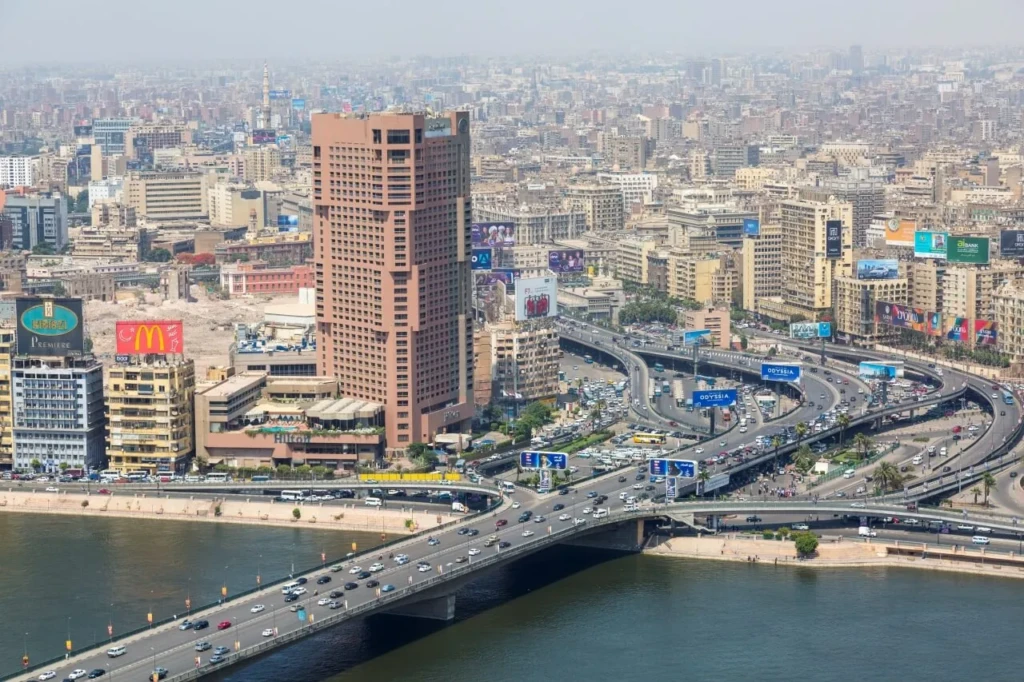
The short answer is yes: most travelers can visit Egypt safely, provided they stay within established tourism areas, monitor regional developments, and take sensible precautions.
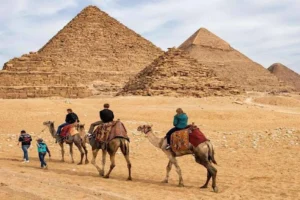
Cairo, Giza, Luxor, Aswan, Abu Simbel, Alexandria, the Nile Valley, and major Red Sea resorts continue to receive international visitors. Security is conspicuous around airports, archaeological sites, hotels, and transportation hubs. What travelers should not do is interpret that as meaning every part of this large country carries the same level of risk.
The United States currently classifies Egypt as Level 2: Exercise Increased Caution because of terrorism, crime, and health concerns. It advises travelers not to travel to the Northern and Middle Sinai Peninsula, the Western Desert, or Egyptian border areas. The UK likewise advises against travel to specified border, desert, and northern Sinai areas—not to Egypt as a whole. Check the latest maps and wording before departure because regional conditions can change quickly. (U.S. Department of State, UK Foreign Travel Advice)
Current Official Travel Advice (October 2026)
United States
The U.S. Department of State rates Egypt Level 2: Exercise Increased Caution (advisory dated May 28, 2026). It lists the following areas as Do Not Travel:
- The Northern and Middle Sinai Peninsula, due to terrorism
- The Western Desert, due to its remoteness and smuggling
- Egyptian border areas, which are military zones
Read the full advisory on the U.S. Department of State Egypt travel advisory page.
United Kingdom
The UK Foreign, Commonwealth & Development Office (FCDO) advice, updated August 4, 2026, advises against all travel to:
- North Sinai Governorate
- The area within 20 km of the Egypt–Libya border, except El Salloum town
It advises against all but essential travel to:
- El Salloum
- South Sinai beyond the St Catherine–Nuweibaa road, except coastal areas
- Ismailiyah Governorate east of the Suez Canal
- Much of the Western Desert, with exceptions that include Luxor, Aswan, Siwa and designated roads
- The Hala’ib Triangle and Bir Tawil
The FCDO also notes regional tensions since July 8, 2026, an apparent drone strike and fire that damaged two ships moored off Damietta on July 29, 2026, that the Rafah crossing is closed, and that crossings such as Taba can close at short notice. Read the full advice on the UK FCDO Egypt travel advice page.
The main tourist areas—Cairo, Giza, Luxor, Aswan, Nile cruises, and Red Sea resorts such as Hurghada and Sharm El Sheikh—are outside these restricted areas.
Is Egypt Safe in 2026 / 2027?
For a conventional itinerary—Cairo and Giza, followed by Luxor, Aswan, a Nile cruise, or a Red Sea stay—Egypt remains a realistic and rewarding destination.
Approximately one million British nationals visit Egypt each year, and UK authorities report that most visits are trouble-free. Violent street crime affecting tourists is relatively uncommon. Visitors are more likely to encounter persistent vendors, inflated prices, uncomfortable attention, traffic hazards, or stomach trouble than serious violence. (UK safety and security advice)
Egypt is also part of a volatile region. Events elsewhere in the Middle East may affect airspace, flight schedules, maritime traffic, border procedures, and official travel advice even when daily life in Cairo or Luxor appears normal. That distinction is important: a calm morning beside the Nile does not eliminate wider geopolitical risk.
Before traveling:
- Read the advisory issued by your own government, including its regional map.
- Buy insurance that covers your exact itinerary and planned activities.
- Recheck flights and local conditions shortly before every major journey.
Latest Safety Updates for Visiting Egypt
Current advisories draw a clear line between Egypt’s principal visitor corridor and higher-risk peripheral regions.
Destinations commonly included in tourist itineraries
Travel continues through:
- Cairo and Giza
- Alexandria
- Luxor and the Valley of the Kings
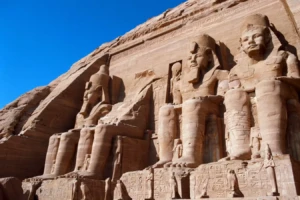
- Aswan and Abu Simbel
- Nile cruise routes
- Hurghada, El Gouna, Marsa Alam, and other established Red Sea resorts
- Sharm El Sheikh and the principal South Sinai resort corridor
Siwa and the Western Desert are a different case: the U.S. advisory lists the Western Desert as Do Not Travel, while the UK advises against all but essential travel to much of it, with exceptions that include Siwa. If Siwa is on your list, check both advisories and your insurance cover before booking.
This is not a permanent guarantee of safety. Travelers should confirm the status of each destination rather than relying on a countrywide yes-or-no answer.
Areas requiring particular caution or avoidance
The U.S. advisory says not to travel to Northern and Middle Sinai, the Western Desert, or border areas designated as military zones. The UK advises against all travel to North Sinai and areas near the Libyan border, and against all but essential travel to additional border, desert, and South Sinai areas (see the official advice summary above).
Do not improvise an off-road desert journey, approach a frontier for photographs, or assume an apparently empty road is open to tourists. Checkpoints and permits are part of travel outside the standard corridor.
Demonstrations and photography
Be conservative with photography around police officers, checkpoints, government buildings, bridges, ports, airports, military property, and infrastructure. If you are uncertain, put the camera away or ask your guide.
Is Cairo Safe?
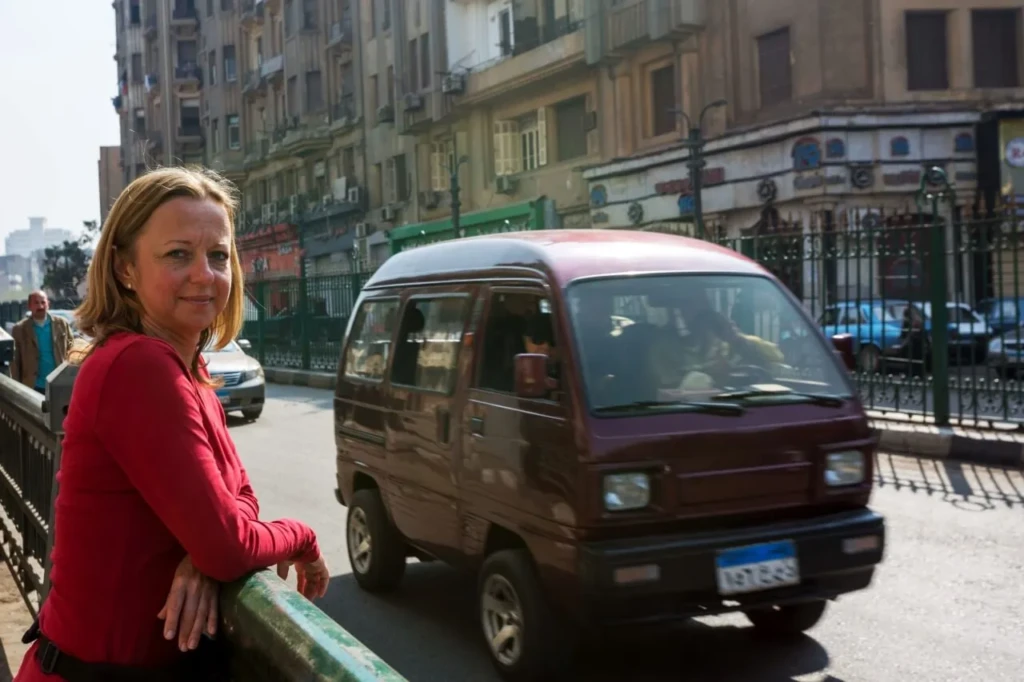
For most tourists, Cairo is manageable with good planning. Central areas such as Zamalek, Garden City, Downtown, Maadi, New Cairo, and the main visitor zones of Giza are busy well into the evening.
Cairo’s intensity can be mistaken for danger. Horns echo beneath flyovers, delivery scooters thread between cars, vendors call from bright storefronts, and families may still be eating or shopping late at night. The city is socially active after sunset, especially when summer heat pushes daily life into the cooler evening hours.
The most immediate physical risk is often traffic. Crossing a wide Cairo road can be more daunting than visiting a market. Use pedestrian bridges where available, cross with local pedestrians, and never assume a driver will yield simply because you have stepped onto the road.
For transportation, app-based rides or hotel-arranged cars are generally easier than negotiating with an unknown street taxi. Confirm the registration number before entering, sit in the back, and avoid displaying cash or an unlocked phone beside an open window.
Is It Safe to Walk in Egypt Until Midnight?
In busy, well-lit districts, walking in the evening is a normal part of local life. Along parts of the Nile Corniche, in Zamalek, around established hotels, and in lively restaurant districts, visitors may see families, couples, and groups of friends outside late.
That does not make every street suitable for an unfamiliar traveler at midnight.
Use this practical test before walking:
- Is the street busy, illuminated, and lined with open businesses?
- Do you know exactly where you are going?
- Can you return by a trusted ride service?
- Are you carrying only what you need?
- Is your phone charged and connected?
- Does your hotel or local guide recommend the route?
Avoid isolated lanes, unlit waterfront sections, empty construction zones, and long walks beside fast roads. After midnight, use a car even when the distance looks short on a map.
How Friendly Are Egyptians?
Hospitality is one of Egypt’s great strengths. Visitors are routinely welcomed with questions about where they come from, recommendations for food, and enthusiastic directions that may involve several bystanders joining the discussion.
In a neighborhood café, tea may arrive sweet and dark in a small glass. On a train, a family might offer fruit or biscuits. In Aswan, conversations often unfold at a gentler pace than they do in Cairo. These interactions are usually sincere rather than transactional.
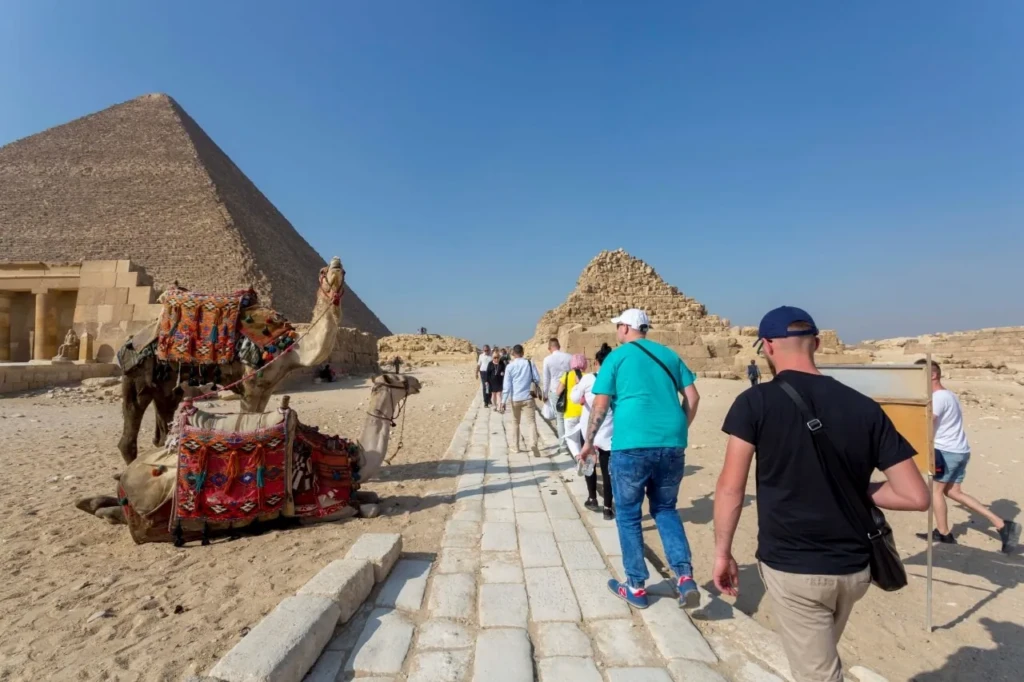
Tourist districts are different. Around famous attractions, some offers of friendship, directions, camel rides, photographs, or “special access” lead to a request for money. Warmth and commercial persistence coexist.
Keep the exchange friendly but clear:
- Agree on prices before accepting a service.
- Ask whether a photograph or demonstration costs money.
- Do not hand your phone, ticket, or passport to an unofficial helper.
- Decline with “la, shukran” and continue walking.
- Use licensed guides for archaeological sites and desert excursions.
Tipping, known as baksheesh, is part of everyday service culture. Carry small Egyptian-pound notes so that gratitude does not turn into an awkward search for change.
Is Food Safe in Egypt?
Egyptian food can be one of the highlights of the trip. A fresh bowl of koshari—rice, lentils, pasta, chickpeas, tomato sauce, and crisp onions—is inexpensive and deeply satisfying. Taameya made from fava beans is at its best straight from the fryer. Grilled kofta, molokhia, ful medames, and warm baladi bread provide an excellent introduction to local cooking.
Food safety depends more on temperature, turnover, water, and hygiene than on whether a meal comes from a luxurious dining room or a modest shop.
Choose busy restaurants where food is cooked continuously. A crowded koshari shop serving steaming bowls can be a better bet than an empty buffet where dishes have been sitting for hours.
Follow these precautions:
- Drink sealed bottled water and check that the cap is intact.
- Avoid ice unless the establishment confirms it uses purified water.
- Choose food that is thoroughly cooked and served piping hot.
- Eat fruit you can peel yourself.
- Be cautious with raw salads, cut fruit, shellfish, and lukewarm buffets.
- Wash or sanitize your hands before eating.
- Carry oral rehydration salts.
- Ask a pharmacist or doctor for help if symptoms are severe, persistent, or accompanied by fever or dehydration.
Do not avoid all street food automatically. Instead, look for high turnover, clean utensils, covered ingredients, and a hot cooking surface. Morning is ideal for taameya and ful; grilled meats are best ordered from busy establishments during peak dinner hours.
Getting Between Cities Safely
Egypt’s road network has expanded substantially, but better roads do not necessarily mean visitors should rent a car. Driving culture can feel unpredictable, lane discipline varies, night visibility can be poor, and long desert stretches offer limited services.
For intercity travel, consider:
- Domestic flights when time is limited
- First-class or sleeper trains between Cairo and Upper Egypt
- Reputable private transfers
- Licensed tour vehicles for desert routes
- Established bus operators between major cities and resorts
- Nile cruises for the Luxor–Aswan section
Always use seat belts where fitted, avoid overnight road transfers when a daytime option exists, and ask operators about vehicle maintenance and driver rest schedules.
A Safer First-Time Egypt Itinerary
| Tour | Duration | Cities / Destinations Covered | Tour Link |
| Alexander The Great – 10 Days (Cairo – Nile cruise & Alexandria) | 10 Days / 09 Nights | Cairo, Aswan, Luxor & Alexandria | View Alexander The Great Tour |
| King Treasure – 6 Days (Cairo & Luxor) | 6 Days / 05 Nights | Cairo & Luxor | View King Treasure Tour |
| King Tut – 9 Days (Cairo & Nile cruise) | 09 Days / 08 Nights | Cairo, Luxor & Aswan | View King Tut Tour |
| King Tut Dive – 10 Days (Cairo – Nile cruise & Sharm El-Shekh) | 10 Days / 09 Nights | Cairo, Luxor, Aswan & Sharm El Sheikh | View King Tut Dive Tour |
| Nile Legend – 10 Days (Cairo – Nile cruise & Hurghada) | 10 Days / 09 Nights | Cairo, Luxor, Aswan & Hurghada | View Nile Legend Tour |
| Queen Nefertari – 8 Days (Cairo & Nile cruise) | 08 Days / 07 Nights | Cairo, Luxor & Aswan | View Queen Nefertari Tour |
| Romantic Nile – 10 Days (Cairo – Nile cruise & Abu-Simble) | 10 Days / 09 Nights | Cairo, Luxor, Aswan & Abu Simbel | View Romantic Nile Tour |
| Sun & Sea – 8 Days (Cairo – Luxor & Hurghada) | 09 Days / 08 Nights | Cairo, Luxor & Hurghada | View Sun & Sea Tour |
Should You Book a Tour?
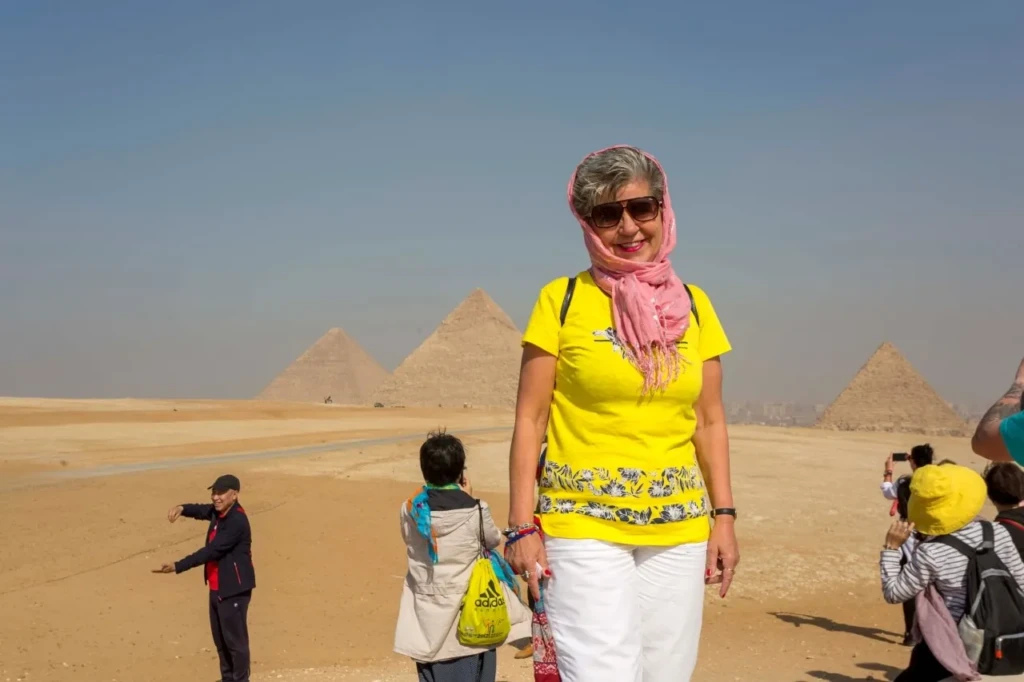
Booking with an authorized and licensed travel agency can make your journey considerably easier, safer, and more organized—especially if this is your first visit to Egypt.
When choosing a tour operator, always make sure the company is officially licensed and authorized to operate in Egypt. A licensed travel agency operates under Egyptian tourism regulations and can provide licensed guides, reliable transportation, organized sightseeing, and assistance throughout your trip.
Essential Safety Checklist
Before you travel to Egypt:
- Check official advisories and regional maps.
- Confirm that travel insurance covers every destination.
- Save the address of your accommodation in Arabic.
- Keep digital and paper copies of your passport and insurance.
- Download offline maps and an Arabic translation tool.
- Arrange an eSIM, local SIM, or roaming plan.
- Save the Egyptian Tourist Police number: 126.
- Use licensed guides and reputable excursion providers.
- Avoid protests, political discussion, military areas, and sensitive photography.
- Book road journeys during daylight where possible.
- Share late-night rides and excursion details with someone you trust.
- Carry more than one payment method and withdraw cash from bank ATMs.
For trips to Cairo and Giza, Alexandria, Luxor, Aswan and Abu Simbel, Nile cruises, and the Red Sea resorts of Hurghada and Sharm El Sheikh, the Delta Tours team can arrange the licensed guides, private transfers, and daylight road journeys on this list; checking official advisories and buying travel insurance remain your own responsibility.
If you would like support on the ground, our private Egypt tours include a guide, private transport and a team on WhatsApp throughout, and our tailor-made trips can be planned around your comfort level.
Frequently Asked Questions
Is Cairo safe at night?
Busy, well-lit districts can remain lively and comfortable late into the evening. Use a ride service after midnight, avoid isolated streets, and exercise additional caution if traveling alone.
Is tap water safe to drink?
Visitors should generally choose sealed bottled or properly filtered water. Use the same caution with ice, raw produce, and drinks mixed with water.
Are Nile cruises safe?
Established Nile cruises operate routinely, but standards vary. Examine recent reviews, fire and evacuation procedures, hygiene, operator insurance, and cabin security. Ask specifically about safety management before booking.
Is Sharm El Sheikh safe?
Sharm El Sheikh remains a major tourism center, but advice for the Sinai Peninsula is highly location-specific. Check your government’s current map and follow approved transportation routes.
Final Verdict: Should You Travel to Egypt Right Now?
No country is risk free, and Egypt is too large to reduce to a single safety label. For travelers who follow official guidance, avoid restricted regions, and use reputable transportation and tour providers, the country’s principal destinations remain accessible.
The reward is extraordinary: dawn light spreading across the Giza Plateau, the scale of Karnak’s columns, lateen sails leaning into the Aswan breeze, and evenings when Cairo’s cafés seem to hum in rhythm with the traffic.
So, is it safe to travel to Egypt right now? For a carefully planned trip through the established visitor corridor, the answer is generally yes. Check the latest Egypt news and official advisories before departure, respect local rules, and travel with awareness rather than fear.