Sharm El Sheikh Travel Guide: Beaches, Diving and Day Trips
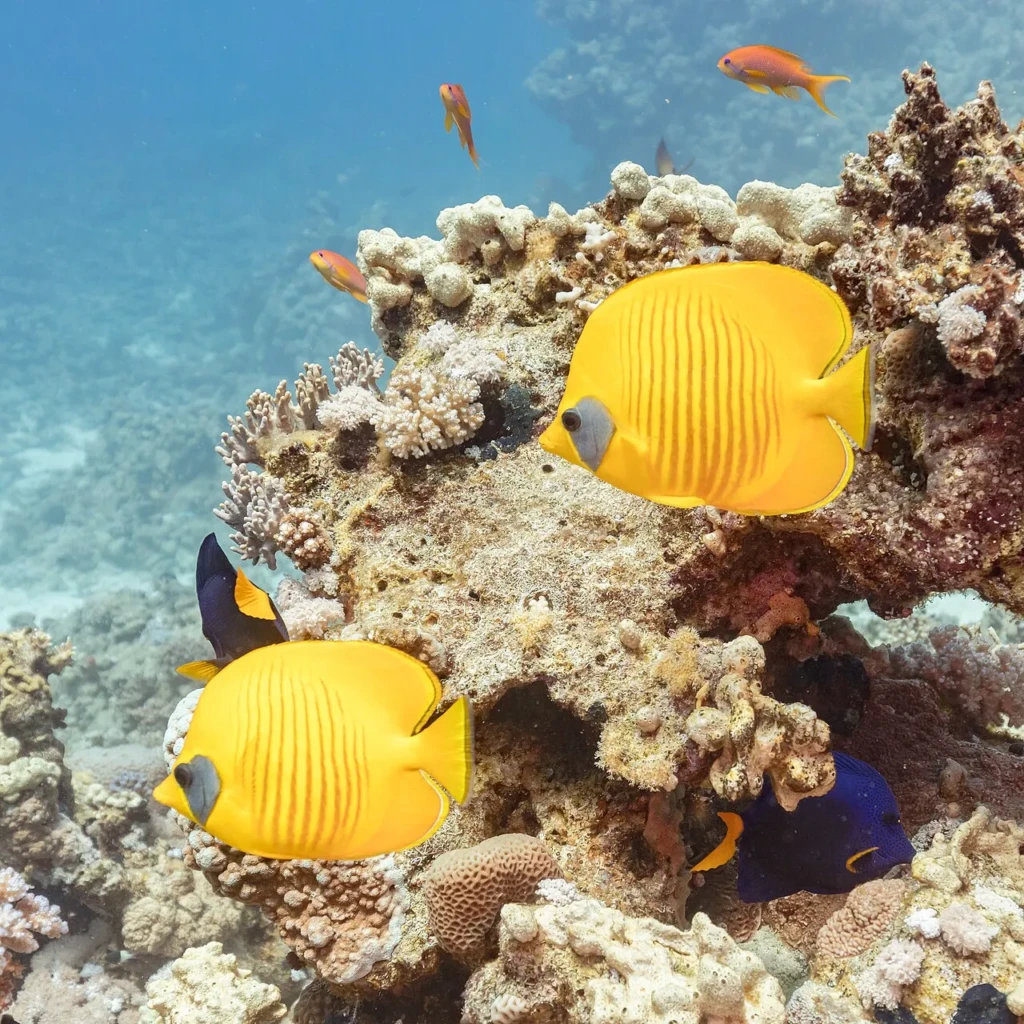
Sharm El Sheikh is a Red Sea resort city at the southern tip of Egypt’s Sinai Peninsula, overlooking the Straits of Tiran. People come for coral reefs, snorkeling and diving, above all at Ras Mohammed National Park and the Thistlegorm wreck. Most international visitors fly in directly or add three to five beach nights after the pyramids and a Nile cruise.
| Quick facts | Sharm El Sheikh |
|---|---|
| Location | Southern tip of the Sinai Peninsula, at the mouth of the Gulf of Aqaba |
| Governorate | South Sinai, of which it is the administrative hub |
| Airport | Sharm El Sheikh International Airport |
| Main nature reserve | Ras Mohammed National Park, about 12 km away, protected since 1983 |
| Typical temperatures | About 18–23 °C (64–73 °F) in January and 33–37 °C (91–99 °F) in August; sea 21–28 °C (70–82 °F) |
| Main town center | Naama Bay |
| Time needed | 3 to 5 nights for beach time plus one or two boat days (our planning suggestion) |
Climate figures are averages from Wikipedia’s Sharm El Sheikh entry. Conditions vary year to year.
What Is Sharm El Sheikh Like?
Sharm is a purpose-built resort city rather than a historic town. It began as a small fishing settlement and military post. Israel held it from 1967 until Egypt regained the Sinai in 1982. That year it was named the “City of Peace,” and Egypt invested heavily in tourism. Wikipedia’s figures show the number of resorts rising from three in 1982 to 91 by 2000.
The city’s name is now familiar from diplomacy as much as from holidays. It has hosted many Middle East peace meetings and, in November 2022, the COP27 UN climate conference. For a visitor, that history explains the wide roads, large hotels and strong security presence around the resorts.
The coastline is long and broken into bays, each with its own cluster of hotels. Naama Bay is the city’s center, with international hotels, restaurants, cafés and bazaars along the water.
Sharm El Sheikh Beaches and Reefs
Sharm’s appeal is the reef rather than long stretches of sand. Beaches vary a great deal from one hotel to the next, so if you plan to spend time in the water, check before you book. Ask three questions: can you snorkel from the hotel’s own shore, is there a jetty or pontoon out to the reef edge, and is the beach sandy or rocky? The answers matter more than star ratings for a reef holiday.
Ras Mohammed National Park
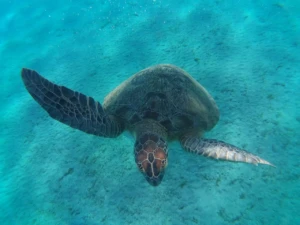
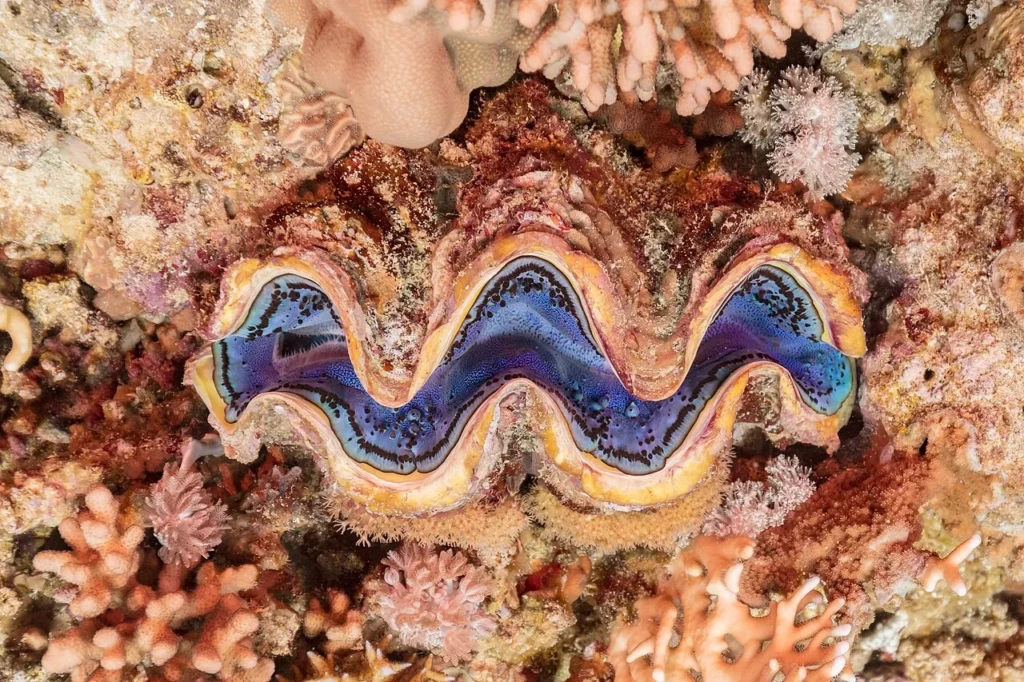
Ras Mohammed sits at the very tip of the peninsula, where the Gulf of Suez and the Gulf of Aqaba meet. Egypt’s Environmental Affairs Agency declared it a marine reserve in 1983, and it now covers about 480 square kilometers, most of it water. According to Wikipedia, the park holds more than 220 coral species and over 1,000 species of fish, and green and hawksbill turtles are seen regularly.
Its two most famous dive sites are Shark Reef, a vertical wall that drops to more than 800 meters, and Yolanda Reef, where the remains of the cargo ship Yolanda lie on the seabed. On land, the park has a small mangrove channel and earthquake cracks filled with deep pools of water. You visit on an organized boat or land excursion from Sharm; check with your operator which reefs a given trip includes. Wikipedia notes strong currents around the tip, so follow your guide’s or crew’s instructions.
The Straits of Tiran
North of the city, the Straits of Tiran hold four well-known reefs: Gordon, Thomas, Woodhouse and Jackson. They sit in the channel between the Sinai coast and Tiran Island. Tiran and nearby Sanafir were once part of the Ras Mohammed protected area, but Egypt transferred sovereignty over both islands to Saudi Arabia, so boat trips focus on the reefs in the strait rather than on landing.
Closer to shore, the old gun emplacements at Ras Nasrani, facing Tiran Island, have become a dive area of their own.
The SS Thistlegorm
The Thistlegorm is the wreck that put Sharm on the map for divers. The British cargo ship was sunk by German bombers on 6 October 1941 while at anchor near Ras Mohammed. Its holds still carry wartime cargo: trucks, motorcycles, rifles, boots, aircraft parts and two steam locomotives. Jacques Cousteau found it in the early 1950s, and divers returned in numbers after Sharm grew into a diving resort in the early 1990s.
The wreck lies at about 30 meters (100 feet) at its deepest. This is a dive for qualified divers, and dive centers set their own experience requirements. It is not a snorkel trip. Wikipedia also notes that the wreck is deteriorating, partly because of damage from boat moorings, so choose an operator that follows good mooring practice.
Reef Etiquette
Ras Mohammed was protected because fishing with dynamite and knives had damaged the reef. Coral is a living animal and breaks easily. Do not stand on it, touch it or feed fish, and wear a reef-friendly sun shirt instead of relying only on sunscreen. If you are a nervous swimmer, a snorkel vest lets you float above the coral without kicking it.
Things to Do Beyond the Beach
Sharm El Sheikh Museum
Sharm finally has an antiquities museum of its own. The Ministry of Tourism and Antiquities says the idea was first suggested in 2006 and construction was completed in 2017. The Grand Hall covers people and wildlife in ancient Egypt and displays animal mummies. The Hall of Civilization shows the inner and outer coffins of Isetemheb, wife of the high priest of Amun Panedjem II, with her canopic jars, a head from a statue of Hatshepsut and objects from Sinai’s own heritage.
As listed on the official Ministry of Tourism and Antiquities site in October 2026, foreign adults pay EGP 200 and foreign students EGP 100, with an audio tour for foreigners at EGP 50. The page lists two daily sessions: 10:00 am to 1:00 pm, with the ticket window closing at 12:00 pm, and 5:00 pm to 11:00 pm, with the ticket window closing at 10:00 pm. Ramadan hours differ. Check the official Sharm al-Sheikh Museum page before you go. The evening session is a good use of time after a day on the water.
Naama Bay in the Evening
Naama Bay is where the city comes out after dark. Its waterfront lanes of cafés, restaurants and shops make an easy evening walk from nearby hotels. Agree on taxi prices before you get in if your hotel is farther along the coast.
Day Trips Into South Sinai
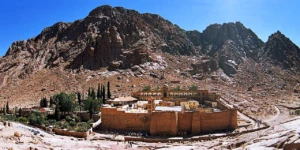
South Sinai Governorate also includes Dahab, Nuweiba, St Catherine and Mount Sinai. St Catherine’s Monastery is a UNESCO-listed site that many travelers want to see. Before you plan any inland trip, read the safety section below, because UK advice draws a line along the St Catherine–Nuweiba road. Organized trips through a licensed operator are the sensible choice for anything outside the resort.
How to Get to Sharm El Sheikh
Most visitors arrive by air. Sharm El Sheikh International Airport, built on the site of a former Israeli air base, is described by Wikipedia as Egypt’s third-largest airport.
On our Egypt and Red Sea tours, Sharm El Sheikh is reached by air, which keeps the transfer short at the end of a busy sightseeing week. Overland coach services also link Sharm with Cairo, but the drive is long and crosses the Suez Canal, so it suits few holiday schedules.
The UK Foreign, Commonwealth and Development Office notes that if you plan to drive a 4-wheel-drive vehicle from mainland Egypt across the Suez crossing, you need a permit from the Egyptian Ministry of the Interior.
Is Sharm El Sheikh Safe to Visit?
The UK government’s current advice is calm about the resort areas. Its Egypt page, last updated on 4 August 2026 and marked still current in October 2026, says travel to Red Sea tourist areas in the southern part of the Sinai Peninsula is generally low risk. It notes routine security checks on vehicles and at airports to protect resorts such as Sharm El Sheikh, and advises booking activities outside resorts through approved agents or tour operators.
The same advice draws clear lines elsewhere in Sinai:
- The FCDO advises against all travel to North Sinai Governorate.
- It advises against all but essential travel to the northern part of South Sinai, beyond the St Catherine–Nuweiba road. The coastal areas on the peninsula’s west and east coasts are excepted.
Read the latest version on the UK FCDO Egypt travel advice page before you travel, and US travelers should also check the current Egypt advisory on travel.state.gov. Our guide to safety in Egypt right now puts the official advice into context for the whole country.
Best Time to Visit Sharm El Sheikh
Sharm has a hot desert climate with almost no rain. Wikipedia’s figures put typical January temperatures at about 18 to 23 °C (64 to 73 °F), rising to about 33 to 37 °C (91 to 99 °F) in August. The sea ranges from about 21 to 28 °C (70 to 82 °F) across the year.
- October to November and March to May: the most comfortable balance of warm days, warm water and easy sightseeing elsewhere in Egypt.
- December to February: pleasant days and cool evenings. The water is at its coolest, so divers may want a thicker wetsuit.
- June to September: very hot on land, with the warmest sea. Plan boat days early and rest in the afternoon.
If you are combining Sharm with Cairo and a Nile cruise, the timing of the whole trip matters more than the beach. Our month-by-month guide to the best time to visit Egypt helps you balance both.
Sharm El Sheikh or Hurghada?
Both are Red Sea resort areas with good snorkeling and diving, but they suit different trips. Sharm sits on the Sinai Peninsula, and on our tours it is reached by air. Hurghada is on the mainland coast, and we reach it by road from Luxor. Choose Sharm if reefs are your priority, especially Ras Mohammed. Choose Hurghada if a road connection from Luxor suits your plans or you want water sports such as windsurfing and kitesurfing.
Our Red Sea Egypt travel guide compares the resorts, beaches and day trips along the whole coast in more detail.
How to Combine Sharm El Sheikh With the Rest of Egypt
The classic plan puts history first and the beach last. Spend a few days in Cairo and Giza, sail between Luxor and Aswan, then fly to Sharm for three or four nights before your flight home. Ending on the coast gives you time to rest before the long journey back to the USA or UK.
Useful planning pages:
- Our 7, 10 and 14 day Egypt itineraries show how much time to give each region.
- Traveling with children? Our Egypt family tours page explains pacing for families.
- For two weeks with time on the coast, see our 14 day Egypt tours.
- Our Egypt packing and dress guide covers what to bring for both temples and beaches.
Visit With Delta Tours Egypt
Several of our private journeys finish in Sharm El Sheikh. All prices are per person, as listed on our tour pages:
- King Tut Dive – 10 Days (Cairo – Nile Cruise and Sharm El Sheikh): 10 Days / 09 Nights, from $1,570 per person.
- Hatshepsut Dive – 10 Days (Cairo – Nile Cruise – Sharm El Sheikh): 10 Days / 09 Nights, from $3,160 per person.
- Royal Egypt Tour: 14 Days / 13 Nights covering Cairo, Luxor, the Nile, Aswan and Sharm El Sheikh, from $7,597 per person.
- A Family Egyptian Adventure: From Pyramids to Reefs: 14 Days / 13 Nights, from $7,600 per person.
To compare every culture-and-beach option, including Hurghada and Sahl Hasheesh, see our Egypt and Red Sea tours. If you want a different number of beach nights or a specific resort, we can adjust any of these through our tailor-made tours service.
Frequently Asked Questions
Is Sharm El Sheikh good for snorkeling?
Yes. Snorkeling is one of the main reasons people visit. Boat trips to Ras Mohammed and the reefs of the Straits of Tiran add variety, and some hotels have their own reef access, so check before you book.
How far is Ras Mohammed from Sharm El Sheikh?
Ras Mohammed National Park lies about 12 km from Sharm El Sheikh, at the southern tip of the Sinai Peninsula. You reach it on an organized boat or land excursion from the city.
Is Sharm El Sheikh safe for tourists?
The UK FCDO currently describes Red Sea tourist areas in southern Sinai as generally low risk, with routine security checks protecting the resorts. It advises against travel to North Sinai and parts of northern South Sinai, so check the latest advice before any inland trip.
What is the best month to visit Sharm El Sheikh?
October, November, March and April usually give the best mix of warm sea and comfortable days. Summer is very hot on land, and winter evenings can feel cool.
Can you combine Sharm El Sheikh with the pyramids and a Nile cruise?
Yes. A common plan is Cairo and Giza first, then a Nile cruise between Luxor and Aswan, then a flight to Sharm for the last few nights. Our King Tut Dive and Hatshepsut Dive tours follow that pattern.
Is there anything historical to see in Sharm El Sheikh?
Yes. The Sharm El Sheikh Museum displays ancient Egyptian objects, including animal mummies and the coffins of Isetemheb. It opens in the morning and again in the evening, which suits a beach schedule.
Sharm El Sheikh works best as the reward at the end of an Egypt trip: a few quiet days on the reef after the temples and tombs. Explore our Egypt and Red Sea tours to find the combination that fits your dates.
Featured image: Masked butterflyfish on a coral reef at Sharm El Sheikh. Photo: Diego Delso / Wikimedia Commons, CC BY-SA 4.0