Marsa Alam Guide: Dugongs, Turtles and Reefs
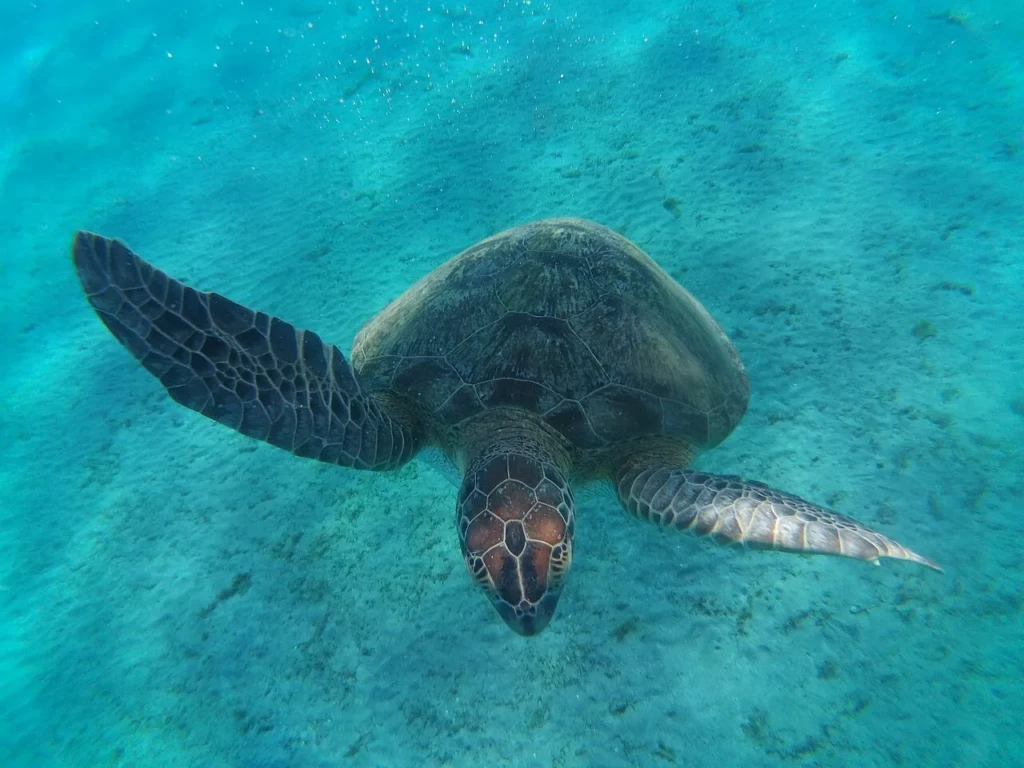
If you want to snorkel above seagrass where a dugong might be feeding, or swim with green turtles over a sandy bay, Marsa Alam is the part of Egypt’s Red Sea coast to aim for. This young resort town in the far south-east of the country sits next to Wadi El Gemal National Park and some of the region’s best-known reefs. Sightings are never guaranteed, but Abu Dabbab Bay has long been the most reliable dugong spot in the Egyptian Red Sea.
Below you will find what makes Marsa Alam different from Hurghada and Sharm El Sheikh, where to look for dugongs, turtles and dolphins, the rules for watching them, the best season, and how to fit a beach stay into a wider Egypt trip.
| Quick facts | Details |
|---|---|
| Location | Western shore of the Red Sea, Red Sea Governorate, south-eastern Egypt |
| Distance from Hurghada | About 274 km (170 miles) south, per Wikipedia |
| Developed | From 1995 onward; Marsa Alam International Airport officially opened in October 2003 |
| Known for | Dugongs, green turtles, spinner dolphins, coral reefs, desert safaris |
| Protected area | Wadi El Gemal–Hamata National Park, declared 2003, about 7,637 km² |
| Sea temperature | About 22°C (72°F) in February–March to 29°C (84°F) in August |
| Time needed | Our planning suggestion: 4 to 7 nights for a relaxed beach and snorkeling stay |
What is Marsa Alam?
Marsa Alam is a small town and resort area on the Red Sea coast, far south of the older resorts. Unlike Hurghada, it is a recent creation. Wikipedia dates its development to 1995, when the Kuwaiti Al-Kharafi Group began building the town’s first resorts and infrastructure.
Growth sped up after Marsa Alam International Airport opened. Commercial flights began in October 2001, and the airport was officially opened in October 2003. It lies north of the town, close to Port Ghalib, a yacht marina about 65 km north of Marsa Alam.
The result is a stretch of coast with resorts spread along the shore rather than a busy town center. Wikipedia counted a population of about 9,000 in 2021. For visitors, that means quieter beaches, house reefs right off the hotels, and easy access to protected marine areas.
How Marsa Alam compares with other Red Sea resorts
Hurghada and Sharm El Sheikh have more nightlife, shopping and day trips. Marsa Alam is the choice for travelers who care most about marine life and calm. The water is warm all year, and Wikipedia notes that its temperatures are steadier than resorts further north. Our Red Sea Egypt travel guide compares all the main resorts side by side.
Dugongs in Marsa Alam
The dugong is a large, slow marine mammal that grazes on seagrass. It is related to the manatee and is listed by the IUCN as vulnerable to extinction. Because it depends on seagrass meadows, it stays in shallow, sheltered coastal water, which is exactly what bays near Marsa Alam provide.
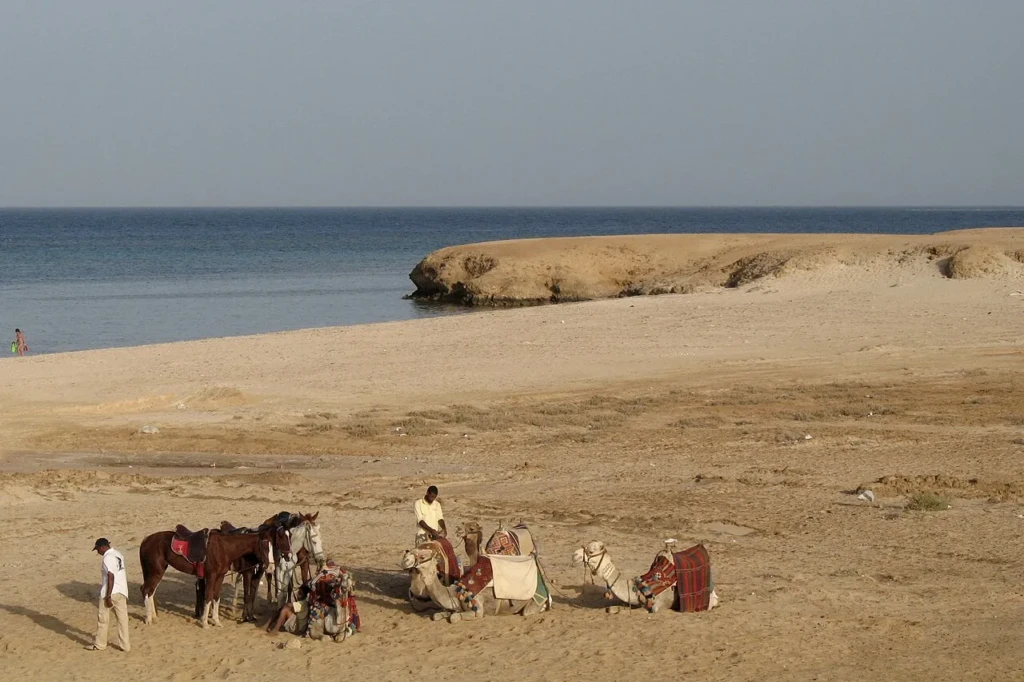
Wikipedia notes that the Red Sea once held as many as 4,000 dugongs, according to an estimate from the 1980s. Today, encounters are rare and special. Most visitors who see one do so while snorkeling or diving quietly over seagrass.
Abu Dabbab Bay
Abu Dabbab is the best-known dugong site in Egypt. The Hurghada Environmental Protection and Conservation Association (HEPCA) describes it as a sheltered, sandy bay with one of the largest seagrass patches in the region. HEPCA has called it home to most dugong sightings in the Red Sea. The bay is also a known nesting site for sea turtles.
Popularity brought pressure. When HEPCA launched its Abu Dabab conservation initiative in 2007, it reported hundreds of divers, snorkelers and swimmers visiting the bay every day. The measures it announced included a zoning line to keep boats out of the bay, removing safari boat moorings, shore-only access, buoys to fence off the seagrass, and rangers on site. Rules may have changed since, so follow the instructions of the staff and guides at the beach.
How to watch a dugong responsibly
HEPCA’s guidelines for watching dugongs in the Red Sea are short and clear:
- Do not touch the dugong, and do not offer it food.
- Keep noise down and keep your distance.
- Always leave the animal an escape route.
- Stay away if a dugong looks injured or sick.
- Taking selfies at close range is illegal.
- Report any violations you see to HEPCA.
In practice, this means floating calmly at the surface, letting the dugong set the distance, and never chasing it. If a crowd gathers, back away.
Turtles, dolphins and reefs
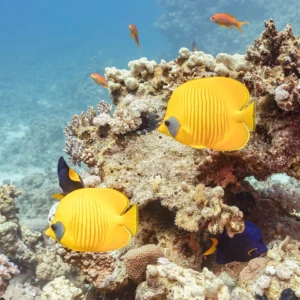
Dugongs get the headlines, but most snorkelers come away with turtle encounters instead. Wikipedia lists green turtles, dolphins and whale sharks among the marine life of the Wadi El Gemal area, along with dugongs. Visitors to Abu Dabbab also report dolphins, octopus and crocodilefish.
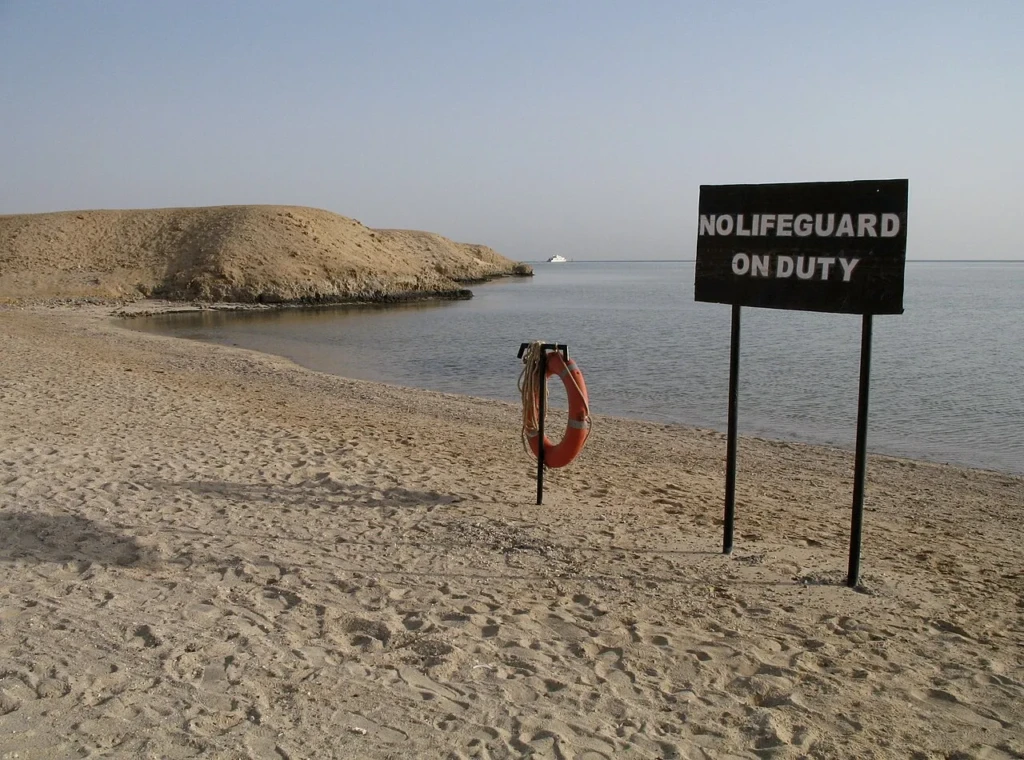
Green turtles
Green turtles also feed on seagrass, so they share the same sandy bays as dugongs. The same rules apply: no touching, no blocking their path to the surface, and no flash photography close to their faces.
Samadai Reef, the “Dolphin House”
Samadai, known locally as the Dolphin House, is a reef that HEPCA calls one of the world’s leading dolphin retreats, home to resident spinner dolphins. HEPCA reports that the Red Sea governor declared it protected in 2004 after concerns about dolphin harassment. The management plan split the site into zones, capped visits at 200 people a day and set a visitor fee. In 2013 the governor handed management of the site to HEPCA.
HEPCA’s dolphin code of conduct is now mandatory, and breaking it can lead to a fine. Boats must slow to 4 knots (7 km/h) near dolphins. Swimmers should stay quiet, swim parallel to the group, and never dive down on the animals from above. Current visitor limits and fees were not published in a source we could confirm, so ask your boat operator before you book.
Reefs and diving
Marsa Alam is a major diving base, with house reefs off many resorts and boat dives to offshore reefs. The UK government’s travel advice warns that safety standards among Red Sea dive operators vary considerably, and that there have been fatal incidents on diving boats. It recommends booking through reputable operators, following safety briefings, and never diving below your insurance policy’s depth limit.
Wadi El Gemal National Park
Near Marsa Alam, the Wadi El Gemal–Hamata National Park protects a long stretch of coast, islands and desert. Egypt’s Environmental Affairs Agency lists it as declared in 2003, with an area of about 7,637 km². Wikipedia notes that it covers 60 km of coastline, coral reefs, seagrass beds and offshore islands.
On land, the park shelters Nubian ibex, dorcas gazelle and many bird species, including the sooty falcon. The Hamata area is known for mangroves. The park also has a small museum about the Ababda people, the local tribe of the Eastern Desert, where their tools and crafts are displayed.
Ask your hotel about guided visits into the park, either for snorkeling around the Hamata islands or for a desert drive into the wadi itself.
History in the desert behind the coast
Marsa Alam’s beaches are new, but the desert behind them is not. Wikipedia notes that the town lies near historic emerald mines and the Temple of Seti I at Kanais in the Eastern Desert. These sites are less visited than the Nile Valley, and access depends on local arrangements, so ask your guide what is practical during your stay.
Best time to visit Marsa Alam
Marsa Alam is a year-round destination, but conditions change a lot. According to Wikipedia, average highs run from 22–25°C (72–77°F) in January to 33–40°C (91–104°F) in August. Sea temperatures stay between about 22°C (72°F) and 29°C (84°F) through the year.
| Season | What to expect |
|---|---|
| December to February | Mild days and cooler water (about 22–24°C). A wetsuit makes long snorkels more comfortable. |
| March to May | Warming air; water rises from about 22°C to 25°C. A good balance for most travelers. |
| June to September | Very hot on land, warmest water (up to about 29°C). Plan outdoor activity early. |
| October and November | Warm sea (about 26–27°C) and easing heat. |
Time of day matters too. Early mornings are usually calmest on the water and quieter at popular bays. For weather across Egypt, see our month-by-month guide to the best time to visit Egypt.
How to get to Marsa Alam
Most international visitors fly into Marsa Alam International Airport. Wikipedia notes that it receives tourist flights from Italy, Germany, France and England. Your hotel or tour operator will usually arrange the transfer from the airport to the resort.
Travelers coming from elsewhere in Egypt can also arrive by road from Hurghada, about 274 km to the north. Drive times depend on traffic and checkpoints, so your driver will confirm timing. If you are combining Marsa Alam with Cairo or a Nile cruise, your operator can advise whether a domestic flight or a road transfer suits your route best.
Is Marsa Alam safe?
The current safety picture in Egypt is covered in detail in our separate guide. For Marsa Alam specifically, the UK FCDO advice reviewed in October 2026 describes Red Sea tourist areas as generally low risk. It notes that security forces carry out routine checks on vehicles and at airports to protect resorts such as Hurghada, Sharm El Sheikh and Marsa Alam.
The main risks here are in the water. The FCDO notes that shark attacks are rare but have happened in the Red Sea region, and advises following updates from local authorities and your operator. Choose reputable dive and snorkel operators, listen to their briefings, and check that your travel insurance covers the activities you plan.
Practical tips for a Marsa Alam stay
- Pick your hotel by its reef. Many resorts have house reefs or nearby bays. A good house reef means you can snorkel every day without a boat.
- Bring reef-friendly habits. Do not stand on coral, and do not feed fish or turtles.
- Use a rash guard or wetsuit. It protects you from the sun and cuts down on sunscreen in the water.
- Book wildlife trips with care. Ask operators how they follow HEPCA’s dugong and dolphin codes.
- Keep expectations realistic. Dugongs are wild and rare. Treat a sighting as a bonus, not a promise.
- Carry some cash for tips and small purchases outside your resort.
Combining Marsa Alam with the rest of Egypt
Many travelers end a classic Egypt trip with a few days on the Red Sea. A common pattern is Cairo and the pyramids first, then Luxor and Aswan or a Nile cruise, and finally a beach stay to rest. Marsa Alam suits that final leg if marine life is your priority.
If you prefer a resort with more choice of hotels and day trips, Hurghada is the usual alternative. Our Egypt and Red Sea tours page shows how a beach stay fits with the Nile.
Visit with Delta Tours Egypt
Delta Tours Egypt does not currently sell a set Marsa Alam package. We can arrange a private Marsa Alam stay on request as part of a tailor-made Egypt tour, alongside Cairo, Luxor or a Nile cruise. Our existing Red Sea packages are based in Hurghada, a good alternative if you want an off-the-shelf itinerary. They include Nile Legend, 10 days with Cairo, a Nile cruise and Hurghada (from $1220 per person), Sun & Sea with Cairo, Luxor and Hurghada (9 days / 8 nights, from $1180 per person), ISIS Dive, 8 days with Cairo, Luxor and Hurghada (from $905 per person) and TITI Dive, 8 days with Cairo, Luxor and Hurghada (from $1565 per person). Delta is a family-run operator licensed by the Ministry of Tourism (licence No. 121), based in Cairo since 1974.
Frequently Asked Questions
Can you really see dugongs in Marsa Alam?
Yes, but sightings are never guaranteed. Abu Dabbab Bay is the best-known spot, and HEPCA has described it as home to most dugong sightings in the Red Sea. Snorkel quietly over the seagrass and follow the guides’ instructions.
What is the best beach in Marsa Alam for turtles?
Abu Dabbab is the most famous, as it has a large seagrass bed and is a known turtle nesting site. Green turtles also feed in other seagrass bays along the coast. Ask your hotel which nearby bays have seagrass.
Is Marsa Alam good for beginners?
Yes. Sheltered bays and house reefs let beginners snorkel from the shore. Choose a resort with easy reef access and use a life vest if you are not a strong swimmer.
How far is Marsa Alam from Hurghada?
Marsa Alam is about 274 km south of Hurghada. Most international visitors fly directly into Marsa Alam International Airport instead. Your driver will confirm road timing if you transfer by car.
When is the best time to visit Marsa Alam?
Spring and autumn give the best balance of warm water and comfortable air. Summer is very hot on land, while winter water drops to about 22°C. The sea is swimmable all year.
Can you swim with dolphins in Marsa Alam?
Spinner dolphins rest at Samadai Reef, known as the Dolphin House. The site is protected and visits are regulated under a mandatory code of conduct. Book with an operator that follows HEPCA’s rules.
Dreaming of dugongs after the temples? Tell us your plans through our tailor-made Egypt tours page, and we will build a private route that ends on the quiet southern Red Sea.
Featured image: Turtle in Abu Dabbab, Marsa Alam. Photo: Jan Beránek / Wikimedia Commons, CC BY-SA 3.0