Greco-Roman Museum Alexandria and the National Museum Guide
The Greco-Roman Museum in Alexandria is the only museum in Egypt devoted entirely to the centuries when Greek kings and Roman emperors ruled the country. It reopened in October 2023 after a long renovation, and foreign adults pay EGP 400. A few minutes across the city center, the Alexandria National Museum tells the longer story, from the pharaohs to the 20th century, for EGP 220.
Most visitors only have time for one of the two. This guide explains what each museum holds, how they differ, and how to fit one or both into a day. For the rest of the city, see our Alexandria travel guide.
The Two Museums at a Glance
| Fact | Graeco-Roman Museum | Alexandria National Museum |
|---|---|---|
| Location | Central Alexandria, near Gamal Abdel Nasser Street | Tariq al-Horreya Street (formerly Rue Fouad), central Alexandria |
| Founded | 1892; present building opened 1895 | Opened as a museum in 2003 |
| Building | Neoclassical, designed by Dietrich and Stenon | Italianate palace of Asaad Basili Pasha, built in 1926 |
| Focus | Greek, Roman and early Christian Egypt | Prehistory to the modern era |
| Hours | Sun–Thu 9:00 am–5:00 pm; Fri–Sat 9:00 am–8:00 pm | Daily 9:00 am–5:00 pm (last ticket 4:00 pm) |
| Foreigner ticket | Adult EGP 400, student EGP 200 | Adult EGP 220, student EGP 110 |
| Time needed | Our planning suggestion: 2 to 2.5 hours | Our planning suggestion: 1.5 to 2 hours |
| From Cairo | A full day by road; our Alexandria day trip allows around three hours each way, depending on traffic | |
Hours and prices are as listed on the official Ministry of Tourism and Antiquities site in October 2026; check before you go.
Why Alexandria Needs Its Own Museums
Alexandria was founded by Alexander the Great and became the capital of the Ptolemies, the Greek dynasty that ended with Cleopatra VII. Rome then ruled Egypt from here. The city’s art from this period mixes Egyptian gods with Greek faces and Roman dress, which makes it very different from what you see at Giza or Luxor.
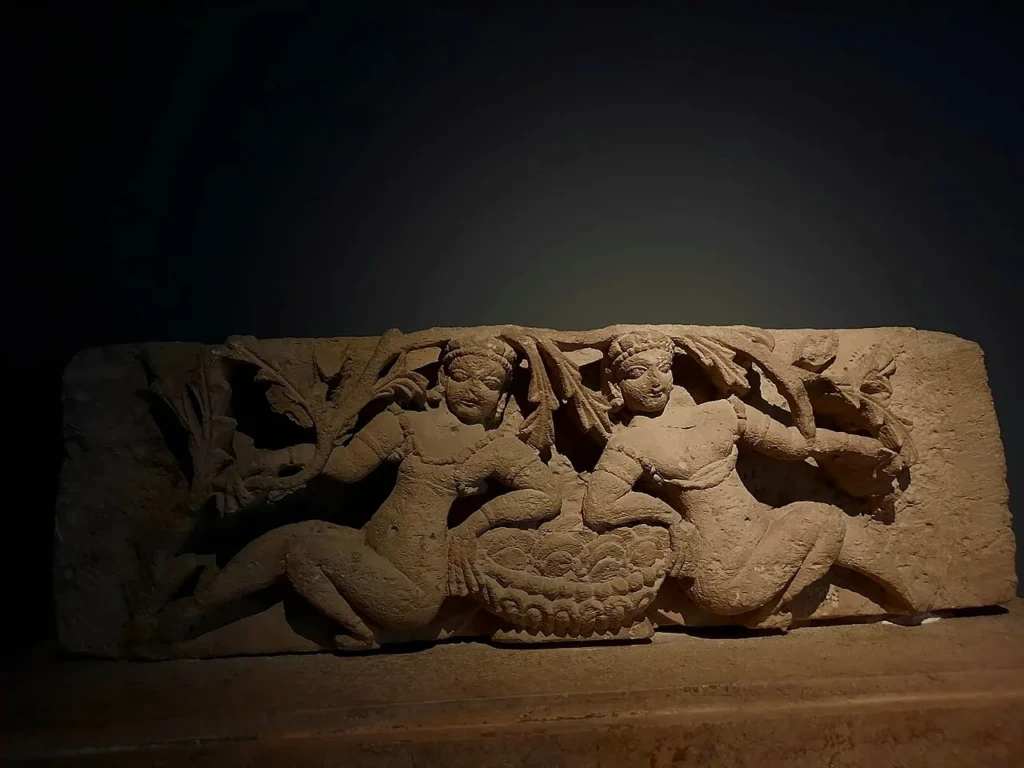
Very little of ancient Alexandria survives above ground. The palaces, the lighthouse and the great library are gone, built over or sunk in the harbor. That is why the museums matter so much here. They hold the statues, coins, mosaics and burial goods that give the scattered ruins their meaning.
The Graeco-Roman Museum: History of the Building
The museum began as one man’s rescue effort. In 1889 the Italian scholar Giuseppe Botti proposed it to protect Alexandria’s antiquities from loss as the modern city expanded. It was founded in 1892 and inaugurated by Khedive Abbas Helmy II, first in a rented house.
Finds came in faster than the house could hold them. In 1894 Nubar Pasha laid the cornerstone of a purpose-built neoclassical building by the architects Dietrich and Stenon. It took a year to build, and the museum reopened there in 1895. According to the Ministry of Tourism and Antiquities, it was the first building in Egypt designed specifically to preserve and display antiquities.
The long renovation
Egyptian archaeologists have run the museum since 1953. It closed for renovation in 2005, and work stretched on for years. When it reopened on October 11, 2023, it had a new upper floor, redesigned interiors and modern display cases. If you read older travel reports describing a closed museum, they predate this reopening.
What to See in the Graeco-Roman Museum
The renovated museum spreads more than 25 galleries across the ground and upper floors. The displays are arranged by theme, so you can follow daily life, religion, burial customs and art as separate threads. These are the pieces and sections worth planning around.
The black granite Apis bull
Apis was the sacred bull worshipped at Memphis, an Egyptian cult far older than Alexandria. The black granite statue of Apis is one of the museum’s best-known pieces, and a clear sign that the Greek rulers kept honoring Egyptian gods.
Rulers and portraits
Statues of Alexander the Great and of Ptolemaic kings and queens are among the highlights. Look at how the faces and hairstyles follow Greek fashion while some poses and crowns stay Egyptian. Your guide can point out which features identify a particular ruler.
Tanagra figurines
Tanagra statuettes are small terracotta figures in the Greek style. They are easy to pass by in a large museum, but the detail of the clothing and hair rewards a slow look.
Mosaics
Alexandria was a center of mosaic work. The collection includes the Sophilos mosaic, so ask your guide to point it out. Mosaics also link the museum to the ruins at Kom el-Dikka, where similar floors survive in place.
Religion, the crocodile temple and burial
Themed sections cover religious life, including a section on a crocodile temple, and the afterlife. Mummies and sarcophagi show how Egyptian burial traditions carried on under Greek and Roman rule.
Coins, glass and underwater finds
Galleries of coins, jewelry, pottery and glass fill in the commercial side of the city. A section on objects recovered from underwater links the collection to the sunken parts of ancient Alexandria. Byzantine and Coptic art carries the story into the centuries when the city became Christian.
The Alexandria National Museum: History of the Building
The National Museum sits in a 1926 palace built in the Italianate style for Asaad Basili Pasha, a wealthy Alexandrian. The building later served as the United States consulate. The Supreme Council of Antiquities acquired it in 1996 and opened it as a museum in 2003.
The setting is part of the appeal. You walk through a garden into a three-story mansion of the city’s cosmopolitan era, which gives a sense of Alexandria in the early 20th century before you see a single object.
What to See in the Alexandria National Museum
The collection holds around 1,800 objects, many transferred from other Egyptian museums. It is arranged by period across three levels, from pharaonic Egypt through the Greek and Roman era to Coptic, Islamic and modern Alexandria. That compact structure makes it the better choice if you want a quick overview of the whole city’s history.
Pharaonic galleries
The pharaonic section includes mummies shown in a recreated burial chamber, statues and small objects such as a figure kneading bread. It is a useful refresher if you are coming from Cairo or heading south to Luxor.
Greek, Roman and sunken antiquities
The Greek and Roman level holds some of the museum’s strongest pieces. Look for a sculpture believed to show Alexander the Great, a bust of the emperor Caracalla wearing a pharaonic headdress, and a mosaic portrait of Queen Berenice II. According to the Ministry of Tourism and Antiquities, the museum also displays a rare group of sunken antiquities recovered from Abu Qir Bay.
Coins, weapons and royal jewelry
The upper level covers Coptic and Islamic Egypt and the modern city. The Ministry highlights a currency hall with coins from many periods, Islamic-era weapons, and gold, silver and jewelry that once belonged to the family of Muhammad Ali Pasha.
Which Museum Should You Choose?
Both are good, but they answer different questions. Use this simple rule.
- Choose the Graeco-Roman Museum if you came to Alexandria for Alexander, the Ptolemies and Cleopatra’s world. It goes deep on one period and has the bigger collection.
- Choose the National Museum if you want the whole sweep of Egyptian history in one compact visit, or if you are short on time and budget.
- Visit both if you are staying overnight in Alexandria and history is your main interest. Start with the Graeco-Roman Museum while you are fresh.
If you have already spent a day at the Grand Egyptian Museum or the Egyptian Museum in Tahrir, the Graeco-Roman Museum adds the most new material. The National Museum’s pharaonic floor will feel familiar after those.
Opening Hours and Ticket Prices
The figures below are as listed on the official Ministry of Tourism and Antiquities site in October 2026; check before you go. Prices are in Egyptian pounds and apply to foreign visitors.
| Museum | Regular hours | Ramadan hours | Adult | Student |
|---|---|---|---|---|
| Graeco-Roman Museum | Sun–Thu 9:00 am–5:00 pm (ticket window closes 4:30 pm); Fri–Sat 9:00 am–8:00 pm (ticket window closes 7:00 pm) | 9:00 am–4:00 pm, last ticket 3:00 pm | EGP 400 | EGP 200 |
| Alexandria National Museum | Daily 9:00 am–5:00 pm, last ticket 4:00 pm | 9:00 am–3:00 pm, last ticket 2:00 pm | EGP 220 | EGP 110 |
The Graeco-Roman Museum’s own page describes its evening days slightly differently in two places. The weekly timetable shows late opening on Friday and Saturday. If you plan an evening visit, confirm the day locally. Both museums list free entry for children under six.
Rules, Photography and Facilities
The National Museum publishes detailed visitor rules. Photography with a mobile phone is free, but flash, tripods and monopods are not allowed. Bags and parcels larger than 40 x 40 cm go to the cloakroom, as do umbrellas. Food and drinks are not allowed in the galleries, apart from small bottles of water.
The Ministry lists toilets, an elevator, a gift shop, parking and a ramped entrance at the National Museum. The Graeco-Roman Museum lists a ramped entrance, an accessible toilet, an elevator, a café and Braille labels. We did not find a published photography policy for the Graeco-Roman Museum, so ask at the entrance before taking pictures.
How to Get There and How Long It Takes
Both museums are in central Alexandria, within easy reach of the Corniche. Most travelers come on a day trip from Cairo. Our Alexandria day tour from Cairo allows around three hours of driving each way, depending on traffic, so an early start is normal.
Inside the city, a private car moves you between sites far faster than working out local transport. Your driver or guide will confirm timing between the museums and other stops on the day, since traffic in central Alexandria varies a great deal.
Best Time to Visit
Go in the morning, when you are fresh and the galleries are quieter. The Graeco-Roman Museum’s late opening on its evening days is useful if you spend the morning at outdoor sites. Alexandria is milder than Cairo in summer, but museums are a good choice for the hottest hours anywhere in Egypt. Our guide to the best season to visit Egypt covers the weather month by month.
Combining the Museums With Other Alexandria Sites
The museums work best as the anchor of a central Alexandria day. A practical pattern is one museum in the morning, a seafood lunch near the harbor, then outdoor sites in the afternoon. Good pairings include:
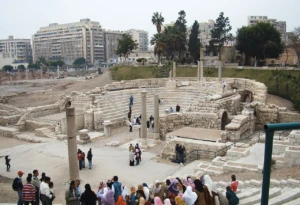
- Kom el-Dikka, the Roman theater and lecture halls in the city center, which shows the kind of urban life the museum objects come from.
- Bibliotheca Alexandrina, the modern library on the Corniche, which has its own antiquities museum.
- Qaitbay Citadel, the 15th-century fort on the site of the ancient lighthouse.
- Pompey’s Pillar and the Catacombs of Kom el-Shoqafa in the west of the city, if you have a second day.
Our Alexandria travel guide groups these sites by area so you do not cross the city more than you need to.
Visit With Delta Tours Egypt
Our Cleopatra 10-day Cairo, Nile cruise and Alexandria tour, from $1,190 per person, includes the Graeco-Roman Museum on its Alexandria day. Our Alexandria Over Day trip from Cairo, from $130 per person, and the 4 Days Egypt Budget Tour – Cairo & Alexandria, from $390 per person, follow fixed itineraries that do not list either museum.
If you want both museums, or a slower Alexandria day built around them, we can arrange a private visit on request through our tailor-made tours service. Tell us how long you have and what interests you, and we will plan the route with a private guide.
Frequently Asked Questions
Is the Greco-Roman Museum in Alexandria open now?
Yes. It reopened on October 11, 2023, after a renovation that began in 2005. The Ministry of Tourism and Antiquities lists daily opening hours, with later closing on two evenings a week.
How much is the Greco-Roman Museum ticket for foreigners?
Foreign adults pay EGP 400 and foreign students EGP 200, as listed on the official Ministry of Tourism and Antiquities site in October 2026. Check the price before you go, since it can change.
What is the difference between the Graeco-Roman Museum and the Alexandria National Museum?
The Graeco-Roman Museum focuses on Egypt under the Ptolemies and Rome and has the larger collection. The National Museum covers Egyptian history from prehistory to the modern era in a smaller, chronological display inside a 1926 palace.
How long do I need at each museum?
Our planning suggestion is 2 to 2.5 hours for the Graeco-Roman Museum and 1.5 to 2 hours for the National Museum. If you want to see both with lunch in between, allow most of a day in Alexandria.
Can I take photos inside the Alexandria National Museum?
Yes. The Ministry’s rules say mobile phone photography is free. Flash, tripods and monopods are not allowed, and you should not photograph other visitors or staff.
Can I see these museums on a day trip from Cairo?
Yes, but plan carefully. The drive takes around three hours each way, so one museum plus two or three outdoor sites is a realistic day. Seeing both museums properly is easier with an overnight stay.
Alexandria’s museums are where the city’s Greek and Roman past finally makes sense. If you would like them built into your trip, explore our tailor-made Egypt tours and we will plan the day around the collections you most want to see.
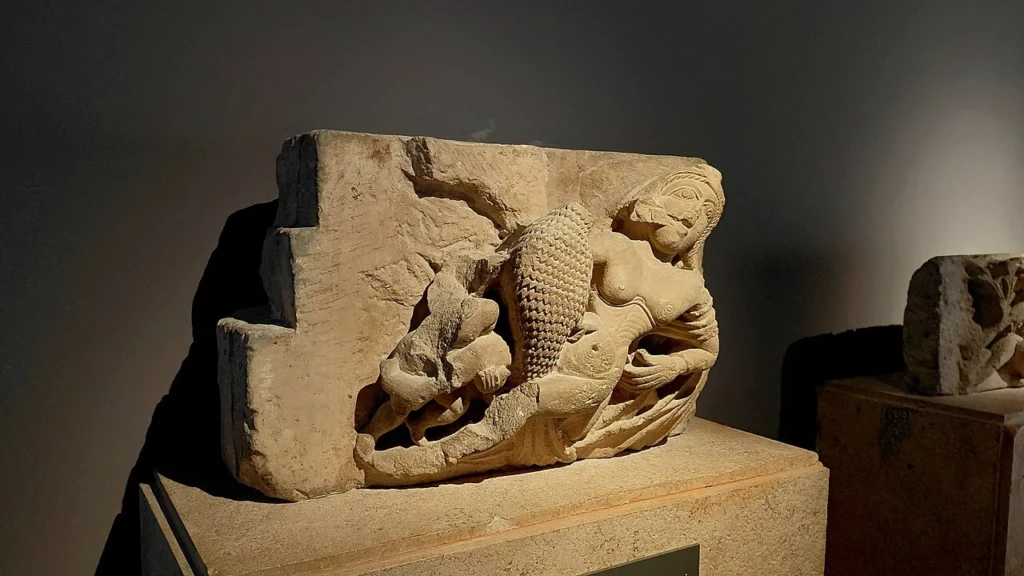
Featured image: Sculpted relief at the Graeco-Roman Museum, Alexandria. Photo: Sohilaali869 / Wikimedia Commons, CC BY-SA 4.0